Canada funds WTO food-safety capacity for developing nations
Canada has committed CAD 500,000 to the WTO's Standards and Trade Development Facility (STDF) to help developing and least-developed countries strengthen their sanitary and phytosanitary (SPS) capacity. The funding supports initiatives that enable countries to meet international food safety and plant and animal health standards, reducing trade barriers for safe shipments. This aligns with the STDF's 2025–2030 strategy and benefits exporters relying on partner-country compliance.
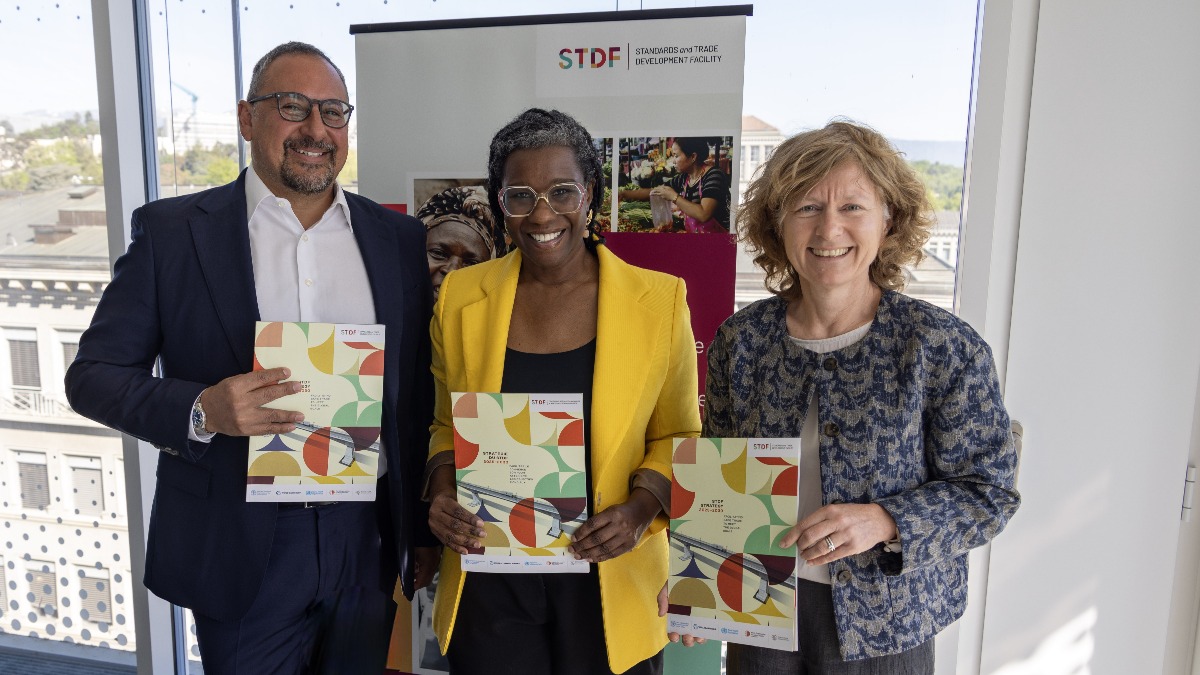
Canada has committed CAD 500,000 (approximately CHF 286,000) to the WTO's Standards and Trade Development Facility (STDF), effective immediately, to boost sanitary and phytosanitary (SPS) capacity in developing and least-developed countries.
Who benefits
The funding targets public and private sector stakeholders in low-income and lower-middle-income nations that face barriers to meeting international food safety standards. Developing countries often lack the technical infrastructure, laboratory certification, and pest-management systems needed to comply with the SPS requirements of major importers—Canada, the EU, the US, and others. When exporting nations cannot demonstrate compliance, shipments face delays, rejections, or prohibitive inspection costs.
How it works
According to the WTO, the contribution will support STDF activities that help countries "meet international food safety and plant and animal health standards and facilitate safe trade, based on the STDF Strategy for 2025–2030." Typical STDF projects include:
- Lab accreditation and diagnostic capacity for food-borne pathogens and pesticide residues
- Traceability system implementation (crucial for fruits, vegetables, dairy, seafood)
- Training in hazard analysis and critical control points (HACCP)
- Standards harmonization with Codex Alimentarius and the International Plant Protection Convention (IPPC)
Countries that improve compliance reduce the risk of port-of-entry holds and tariff escalation due to SPS failures. This directly affects Chapter 02 (meat), 03 (fish), 04 (dairy), 07 (edible vegetables), 08 (edible fruit), 09 (coffee/spices), and 12 (oil seeds)—sectors where SPS rejections are most common.
Strategic context
The STDF Strategy for 2025–2030 emphasizes closing the SPS compliance gap in lower-income regions, which is a known friction point in global supply chains. Canada's contribution signals its commitment to de-risking trade with partners and reducing the hidden costs of non-compliance (inspections, detention, re-export).
What this means for shippers
If you import fresh produce, seafood, dairy, or processed foods from developing nations, improved SPS capacity in those countries will reduce clearance delays and rejections at port. Request certificates of compliance and traceability documentation from your suppliers; as these countries strengthen their systems over 2025–2030, audit trails will become more robust. Monitor partner-country SPS upgrades through WTO and country-specific food-safety announcements to avoid last-minute supply disruptions. /landed-cost