CBP expands reimbursable services to 37 new partners at airports and ports
The U.S. Customs and Border Protection announced tentative selections for 37 additional Reimbursable Services Agreements in May 2026, expanding public-private partnerships that allow private sector and state/local entities to reimburse CBP for extended inspection services beyond standard hours. These agreements cover customs, agricultural, border security, and immigration inspections at airports and ports across 20+ U.S. states and territories. Since the program's 2013 inception, CBP has partnered with 635 stakeholders, processing over 23 million travelers and 2.4 million vehicles with 1.9 million additional processing hours.
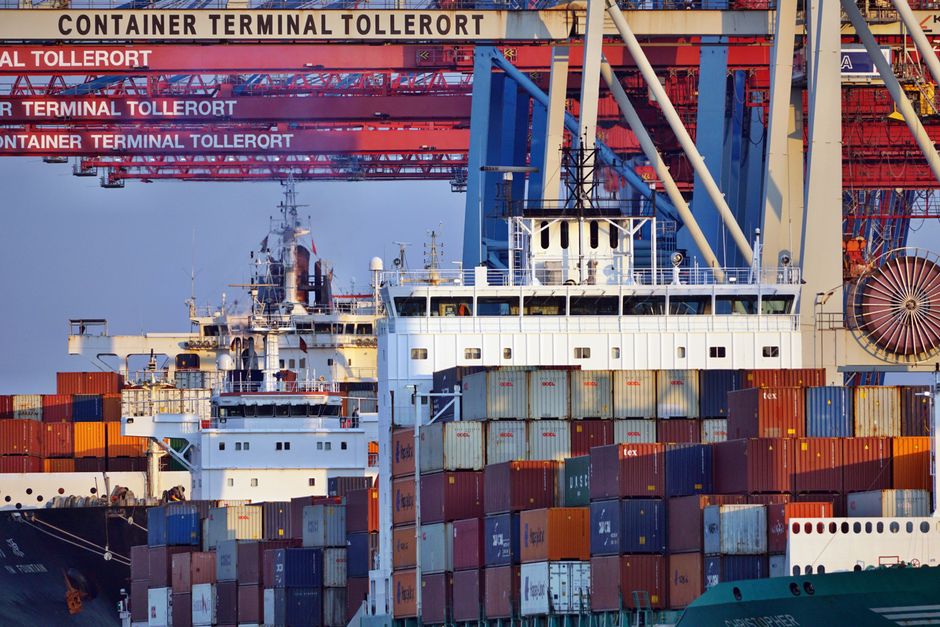
 Photo: Jan van der Wolf / Pexels
CBP Announces 37 Additional Partnerships for Expanded Customs Services
The U.S. Customs and Border Protection made tentative selections for 37 new Reimbursable Services Agreements in late October 2025, expanding a critical program that ensures trade and travel continue uninterrupted at remote and underserved locations, CBP announced on May 8, 2026.
"The CBP Reimbursable Services Program is a crucial program that ensures trade and travel continue at remote locations without delay," said CBP Office of Field Operations Executive Assistance Commissioner Diane Sabatino.
The Reimbursable Services Program, authorized under Section 481 of the Homeland Security Act of 2002, allows private sector and state/local government entities to reimburse CBP for additional inspection services that wouldn't otherwise be available. These include customs, agricultural processing, border security, immigration inspections, and cargo/traveler processing at ports of entry during extended hours or above standard staffing levels.
The 37 new partnerships span multiple service environments—primarily airports in the air environment and ports in the sea environment—affecting locations across Alabama, Arizona, California, Colorado, Delaware, Florida, Georgia, Hawaii, Illinois, Kansas, Louisiana, Massachusetts, Maryland, Maine, Michigan, Minnesota, Missouri, North Carolina, North Dakota, Nebraska, New Hampshire, New Jersey, New Mexico, Nevada, New York, Ohio, Pennsylvania, Puerto Rico, South Carolina, South Dakota, Tennessee, Texas, Virginia, Vermont, Washington, and Wisconsin.
Air-environment partners include major carriers such as EVA Airways Corporation (Seattle–Tacoma International Airport), Korean Air Lines Co. Ltd (Atlanta), Koninklijke Luchtvaart Maatschappij N.V. (Atlanta), plus logistics, charter, and ground-handling firms operating across dozens of commercial and executive airports. Sea-environment selections include port services operators such as Caribe Nautical Services, Inc. (Key West).
The statute includes specific caps: airports handling 100,000+ arriving international passengers annually are limited to overtime and support-services reimbursement, while smaller airports may offset CBP salaries and expenses for up to five full-time equivalent CBP officers.
Since its inception in 2013, the program has grown to 635 total stakeholders and has provided more than 1.9 million additional processing hours, enabling CBP to process over 23.2 million travelers and more than 2.4 million personal and commercial vehicles.
What this means for shippers
If your freight moves through any of the 30+ affected U.S. airports or sea ports listed above, extended CBP processing windows may now be available during non-standard hours. Contact your freight forwarder or CBP port authority to confirm whether your destination now offers Reimbursable Services and how it affects your clearance schedule. This can shorten dwell time and reduce demurrage—but availability and cost depend on whether your service provider is registered with the new agreements. Verify your port's status now rather than discovering gaps during peak shipping periods.