CBP gets new powers to verify importer ownership and supply chains
On June 3, 2026, the White House signed an Executive Order empowering U.S. Customs and Border Protection with expanded authority to enforce stricter transparency and accountability standards across importers and customs brokers. The order requires all importers—domestic and foreign—to disclose detailed information about ownership, business operations, and supply chains; maintain good standing with CBP to retain importing privileges; and comply with updated bond minimums. Customs brokers face heightened due-diligence obligations, and foreign importers are subject to new restrictions. Failure to comply risks loss of importing rights and increased penalties.
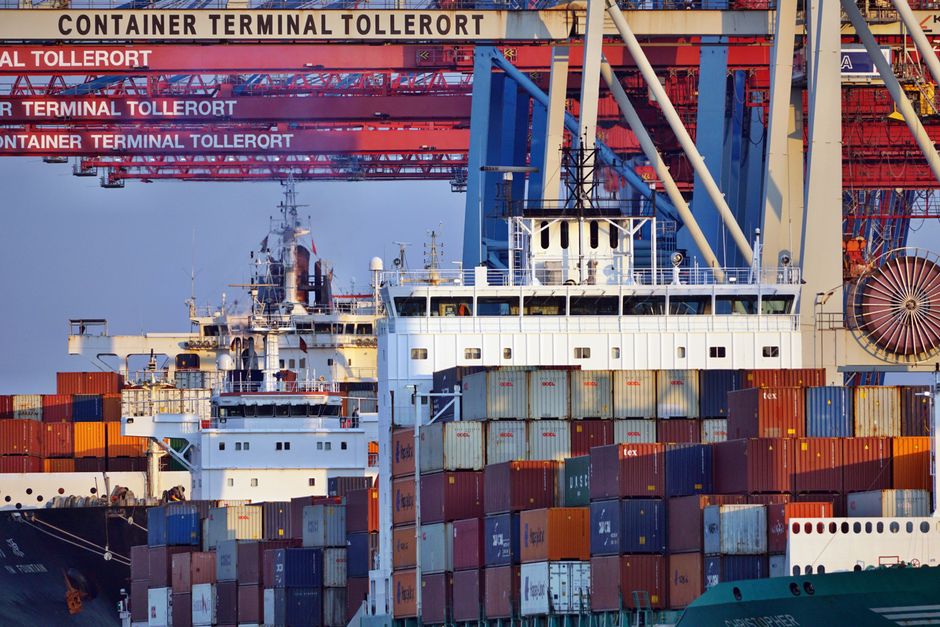
 Photo: MINEIA MARTINS / Pexels
White House Strengthens CBP Enforcement Authority Over Importer Transparency
On June 3, 2026, President Trump signed Executive Order "Strengthening Customs Enforcement," granting U.S. Customs and Border Protection expanded tools to verify importer ownership, supply-chain visibility, and regulatory compliance. CBP Commissioner Rodney Scott stated that "Importing into the U.S. has for too long been treated as a right and not a privilege," signaling a shift toward stricter gatekeeping of import privileges.
Who is affected
The Executive Order applies to:
- All importers (domestic and foreign) — required to provide detailed information about ownership, business operations, and supply chains.
- Customs brokers — subject to higher standards and obligated to conduct greater due diligence on their importer clients.
- Foreign importers — now face heightened import restrictions as an additional protective measure.
Key compliance requirements
Importers must now:
- Disclose ownership and operational details beyond what current regulations mandate, including supply-chain transparency.
- Maintain good standing with CBP — failure to comply with U.S. customs and trade laws will result in loss of importing privileges.
- Meet updated bond minimums — CBP is raising the financial thresholds and using bonds as leverage against risk, ensuring importers remain financially responsible for violations and enabling CBP to collect penalties more effectively.
Customs brokers must:
- Conduct heightened due diligence on their importer clients.
- Ensure those clients meet the new transparency and compliance standards.
Enforcement and penalties
CBP Office of Field Operations Executive Assistant Commissioner Diane J. Sabatino emphasized that "Our officers and import specialists are now better equipped to identify, interdict, and penalize those who threaten our economic security and national interests through illicit trade practices." Importers and brokers that fail to comply risk:
- Suspension or revocation of importing privileges.
- Increased penalties and bond forfeitures.
- Heightened scrutiny of future shipments.
What this means for shippers
All importers must immediately audit and document their supply-chain ownership, operations, and compliance status with CBP. Engage your customs broker to ensure they have robust due-diligence procedures in place; non-compliance will now expose both parties to enforcement action. Review your bond structure with CBP—minimums have been raised. Failure to provide the required transparency or maintain good standing with CBP will result in loss of importing privileges and potential penalties. Begin gathering ownership and operational documentation now, as CBP will intensify enforcement of these new standards immediately. /sanctions-screen