CBSA Reporting Rules for Private Boaters: What You Need to Know
The Canada Border Services Agency (CBSA) has issued a reminder about mandatory reporting requirements for private boaters entering or exiting Canadian waters. The notice reinforces existing obligations that apply to vessel operators and crew members involved in cross-border waterborne commerce or recreational boating activities. Shippers using private watercraft for commercial purposes should ensure compliance with CBSA declaration rules to avoid penalties.
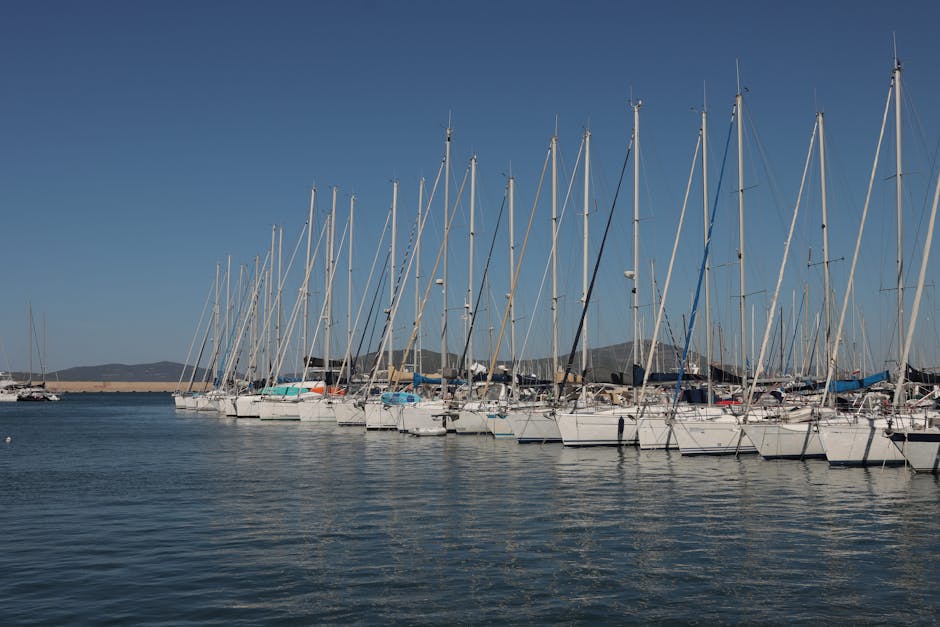 Photo: Efrem Efre / Pexels
CBSA Issues Reminder on Private Boater Reporting Requirements
The Canada Border Services Agency (CBSA) has reminded private boaters of their legal obligations to report when crossing Canadian borders by water, according to an April 27, 2026 notice. While the reminder does not introduce new rules, it underscores existing requirements that apply to vessel operators and crew engaged in cross-border activities.
Who Must Report
Private boaters—whether operating for recreational or commercial purposes—are required to follow CBSA reporting procedures when transiting between Canadian and U.S. waters or arriving at Canadian ports from foreign destinations. This includes operators of:
- Privately owned vessels carrying goods or passengers
- Commercial fishing boats and freight-carrying watercraft
- Chartered or leased boats used for cross-border transport
Reporting Obligations
Vessel operators must report to the CBSA before arrival at a Canadian port or immediately upon entry into Canadian jurisdiction. The reporting requirement applies regardless of whether the boat is carrying commercial cargo, personal effects, or passengers.
For shippers and freight forwarders arranging waterborne transport of goods, this means ensuring that the vessel operator complies with advance notice and manifest requirements. Failure to report can result in penalties, vessel detention, and potential criminal liability for the operator.
Commercial Implications
While this reminder is directed at private boaters, shippers using waterborne routes for cross-border e-commerce or SMB export shipments should verify that their carriers—whether operating private or commercial vessels—maintain full CBSA compliance. This is particularly relevant for:
- Low-volume maritime shipments not using traditional commercial carriers
- Private charter arrangements for consolidated freight
- Cross-border deliveries via private watercraft
Complex cross-border shipping scenarios may require coordination with freight forwarders to ensure all vessel reporting, customs documentation, and landed-cost calculations account for compliance timelines.
What this means for shippers
If you ship goods across the Canada–U.S. border by water, ensure your carrier is CBSA-compliant. Reporting failures can delay cargo and increase costs. For guidance on customs documentation and landed-cost accuracy in waterborne trade, see our landed-cost calculator.