EU autonomous tariff quotas amended for agricultural & industrial goods
The EU has issued a corrigendum to Council Regulation (EU) 2025/1292, which amends the framework governing autonomous tariff quotas for agricultural and industrial products under Regulation (EU) 2021/2283. The corrigendum corrects errors in the original regulation published on 30 June 2025. Autonomous tariff quotas allow the EU to temporarily reduce or suspend tariffs on specified goods when supply is insufficient, directly affecting landed costs for importers of affected products.
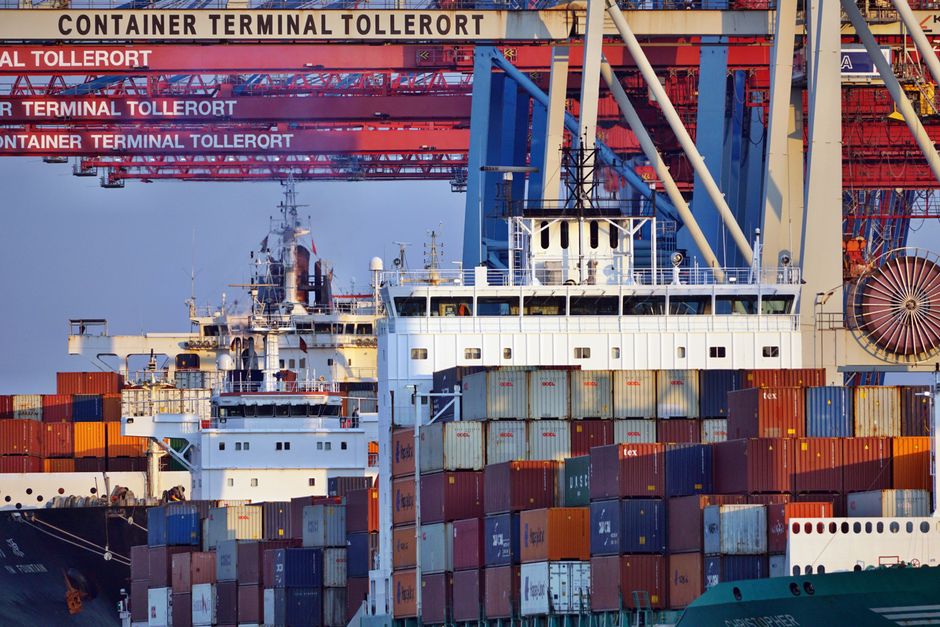
 Photo: Wolfgang Weiser / Pexels
EU Corrects Autonomous Tariff Quota Regulation
On 10 May 2026, the European Commission published a corrigendum to Council Regulation (EU) 2025/1292, which amends the EU's autonomous tariff quota framework under Regulation (EU) 2021/2283. The corrigendum addresses errors in the original regulation, first published on 30 June 2025.
What Are Autonomous Tariff Quotas?
Autonomous tariff quotas are temporary trade relief measures that allow the EU to open tariff-free or reduced-duty quotas for agricultural and industrial products when domestic supply cannot meet demand. These quotas operate independently of bilateral or multilateral trade agreements and are typically set for one-year periods, subject to renewal.
Scope of the Amendment
The amended Regulation 2025/1292 modifies the terms, administration, and product coverage of autonomous tariff quotas originally established under Regulation (EU) 2021/2283. The exact products, quota quantities, duty rates, and country eligibility affected by the corrigendum are not detailed in the corrigendum notice itself but are set out in the main regulation and its implementing acts.
Importers relying on autonomous tariff quotas for agricultural and industrial goods—including but not limited to grains, oils, minerals, chemicals, and raw materials—should verify the corrected terms against the original regulation to identify any material changes to quota allocations, duty suspensions, or administrative procedures.
Practical Impact
Corrigenda typically correct technical errors (e.g., typographical mistakes, incorrect article references, or formula errors) in the published text. However, even minor corrections can affect quota administration, tariff lines, origin restrictions, or proof-of-origin requirements for affected goods. Importers and freight forwarders should cross-reference the corrigendum with the June 2025 publication to confirm no changes to their product classifications, applicable duty rates, or quota eligibility.
What this means for shippers
If you import agricultural or industrial products under autonomous tariff quotas, obtain a copy of the corrigendum immediately and compare it line-by-line to your current tariff and quota documentation. Any discrepancy in duty rates, quota quantities, or HS classifications must be corrected in your customs declarations and cost estimates before your next shipment. Mismatches between your declared duty and the corrected regulation can trigger duty reassessments, penalties, and delays at border control. Use our tariff lookup and HS classification tools to verify that your goods fall within the corrected quota scope and applicable rate.