EU CBAM webinar: decarbonization incentives in 2026
The EU's Directorate-General for Taxation and Customs (DG TAXUD) held its second CBAM implementation webinar on 7 May 2026, focused on how exporters can leverage decarbonization efforts to reduce CBAM exposure. CBAM, the EU's Carbon Border Adjustment Mechanism (Regulation 2023/956), applies to imports of cement, iron and steel, aluminium, fertilisers, hydrogen, and electricity. The webinar addressed strategies for proving lower embedded emissions and securing CBAM certificates at favorable rates—critical for non-EU manufacturers competing in European markets as the transitional phase ends.
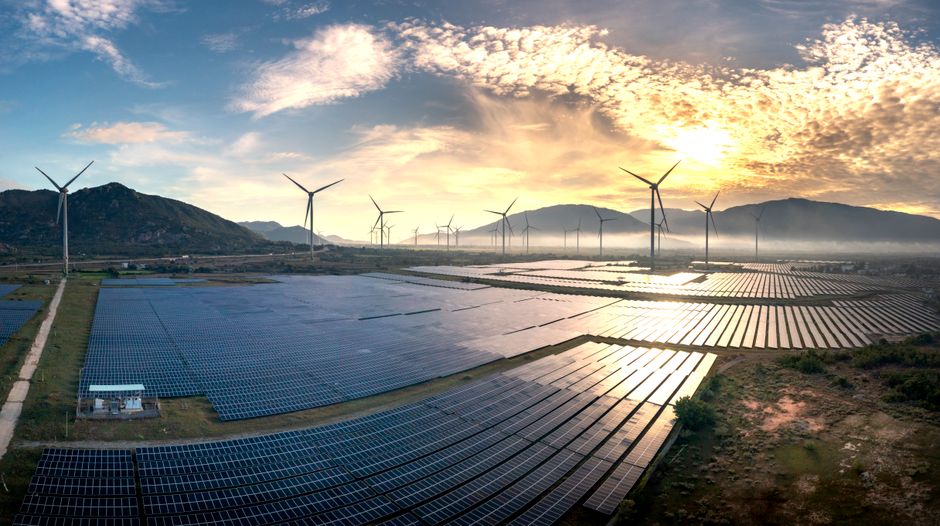 Photo: Quang Nguyen Vinh / Pexels
EU hosts second CBAM implementation webinar
On Thursday 7 May 2026, the EU's Directorate-General for Taxation and Customs (DG TAXUD) hosted the second webinar in a series focused on implementation of the EU's Carbon Border Adjustment Mechanism (CBAM). The session aimed to help importers and manufacturers understand how decarbonization efforts can reduce their CBAM liability and improve competitiveness as the EU tightens carbon-border enforcement.
Who should attend
The webinar was designed for exporters of CBAM-subject commodities—cement, iron and steel, aluminium, fertilisers, hydrogen, and electricity—as well as EU importers and their compliance advisors. Understanding how to document and report lower embedded emissions is essential: the CBAM certificate system uses default values published by the European Commission, but importers can claim credits for demonstrating genuinely lower process emissions or purchasing renewable power.
The stakes
As the CBAM transitional period progresses toward the definitive phase (set to begin 1 January 2026 under the original timeline, though the source refers to ongoing 2026 webinars suggesting continued implementation evolution), facilities must establish robust emissions-accounting systems. Manufacturers that fail to evidence decarbonization investments—such as switching to renewable energy, adopting energy-efficient technology, or sourcing low-carbon inputs—will pay full CBAM duties on imported materials and face price disadvantages versus decarbonized competitors.
"How to make your decarbonisation efforts pay off" — EU TAXUD webinar title, 7 May 2026
What exporters need to know
CBAM certificates are priced weekly based on the EU ETS (Emissions Trading System) allowance price. Exporters that reduce embedded emissions can present evidence to EU importers, who then claim proportional certificate savings. The mechanism incentivizes real decarbonization rather than mere compliance theater. Exporters should:
- Document production process emissions and energy sourcing transparently
- Identify and quantify renewable-energy usage and efficiency gains
- Coordinate with EU importers on embedded-emissions declarations
- Monitor default-value updates issued by the NCA (National Customs Authority) or authorised declarants
The webinar series reflects the EU's commitment to embedding the CBAM as a permanent trade and climate tool, not a temporary tariff.
What this means for shippers
If you export cement, steel, aluminium, fertilisers, hydrogen, or electricity to the EU, register now for CBAM compliance training and audit your supply chain's emissions data. Proving lower embedded carbon is no longer optional—it directly cuts duties. Export documentation must now include detailed production-origin and energy-mix certification; failure to provide this by the 2026 deadline will result in maximum CBAM duty exposure and possible clearance delays. Review your /cbam settings to track certificate prices and default-value updates weekly.