EU Customs Directive Corrigendum (2008/63): Non-English Update
The European Union published a corrigendum to Directive 2008/63/EC on 26 April 2026. The corrigendum does not affect the English version of the directive, meaning changes were limited to non-English language versions. This is a technical correction rather than a substantive policy change.
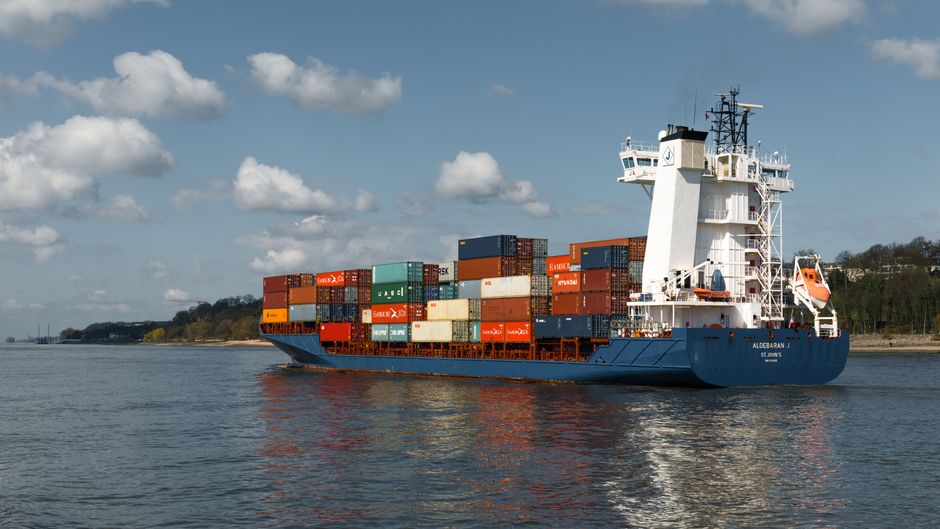 Photo: Wolfgang Weiser / Pexels
EU Issues Corrigendum to Customs Directive 2008/63
On 26 April 2026, the European Union published a corrigendum to Directive 2008/63/EC via the Official Journal of the European Union (OJ L). The corrigendum is a technical correction to the directive, though it does not concern the English version.
"The corrigendum does not concern the English version."
A corrigendum in EU legal publishing corrects errors, typographical mistakes, or inconsistencies in previously published legislative acts. When a corrigendum is issued for non-English versions only, it typically means translation corrections, formatting issues, or clarifications were needed in one or more of the EU's other official languages (such as French, German, Spanish, Polish, and others).
Directive 2008/63/EC relates to the modernisation of customs legislation and procedures within the EU. Since the English version remains unchanged, importers, customs brokers, and logistics providers relying on English-language guidance can continue to reference existing materials without concern about substantive changes to their obligations.
For shippers and exporters working with EU customs authorities, corrigenda are generally administrative housekeeping. However, it is good practice to check the Official Journal periodically and ensure that any customs procedures, documentation templates, or duty calculations reflect the most current published versions—particularly if you work in multiple EU member states or handle cross-border trade regularly.
What this means for shippers
This corrigendum does not introduce new tariffs, classification rules, or duty requirements. If you are currently compliant with Directive 2008/63/EC and use English-language customs guidance, no immediate action is required. For those operating in non-English-speaking EU jurisdictions, consult local customs authorities or your freight forwarder to confirm whether any procedural updates apply to your shipments.
Learn more about estimating and managing landed costs across EU borders.