EU Customs Education Partners Meet to Strengthen Training
On 25–26 March 2026, EU customs administrations, universities, and the European Commission convened in Tallinn, Estonia, to discuss the future of customs education under the EU Recognition of Customs Academic Programmes initiative. The meeting focused on strengthening collaboration and training standards across member states to improve customs professional development and operational capacity.
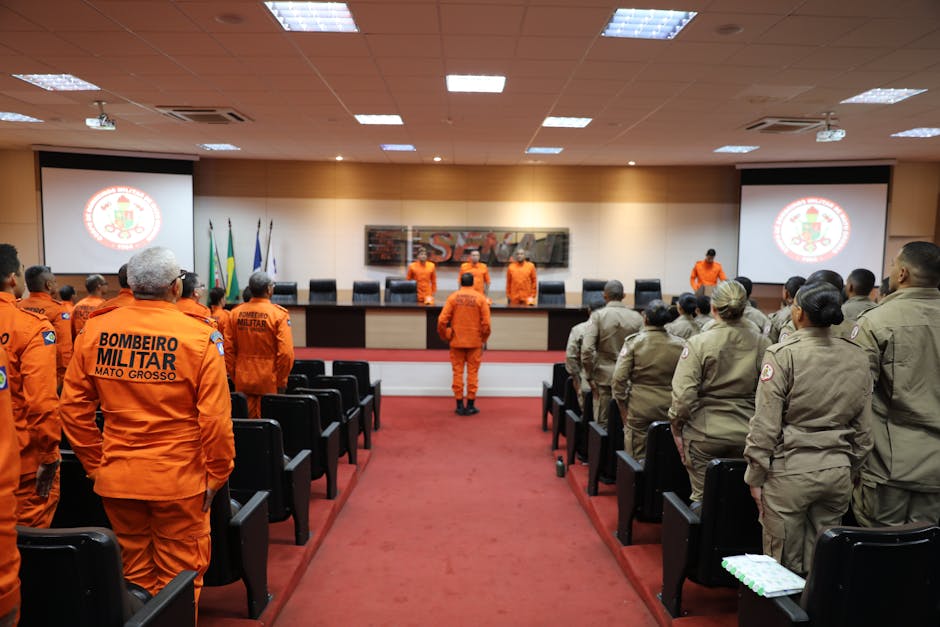 Photo: Bombeiros MT / Pexels
# EU Customs Education Partners Meet to Strengthen Training Collaboration
Representatives from European universities, customs administrations, and the European Commission gathered in Tallinn, Estonia on 25–26 March 2026 to discuss the future of customs education under the EU Recognition of Customs Academic Programmes initiative, according to the European Commission's Directorate-General for Taxation and Customs Union (TAXUD).
The meeting brought together key stakeholders responsible for customs training and professional development across the EU. This convening reflects the Commission's commitment to strengthening collaboration among member states' customs authorities and academic institutions to ensure consistent, high-quality education for customs professionals throughout Europe.
While the source does not detail specific curriculum changes or new requirements, the focus on recognition and standardization of academic programmes suggests an effort to harmonize customs training standards across member states. This type of initiative typically aims to improve interoperability, reduce training gaps, and ensure customs officials across the EU share common competencies and knowledge bases.
The EU Recognition of Customs Academic Programmes initiative serves as a framework for validating and recognizing customs education offered by universities and training centres. By strengthening collaboration among partners, the EU aims to support continuous improvement in customs professionalism and operational effectiveness—critical for managing tariff classification, valuation, origin determination, and enforcement of EU trade rules.
What this means for shippers
Improved customs training and standardized education across EU member states can lead to more consistent application of customs regulations. Better-trained customs officers may result in faster clearance processes, more accurate HS code classification, and clearer interpretation of rules of origin. Shippers benefit from predictable customs procedures and reduced delays when trading across EU borders. To optimize your customs compliance and understand how HS classification affects your landed costs, visit /hs-codes.