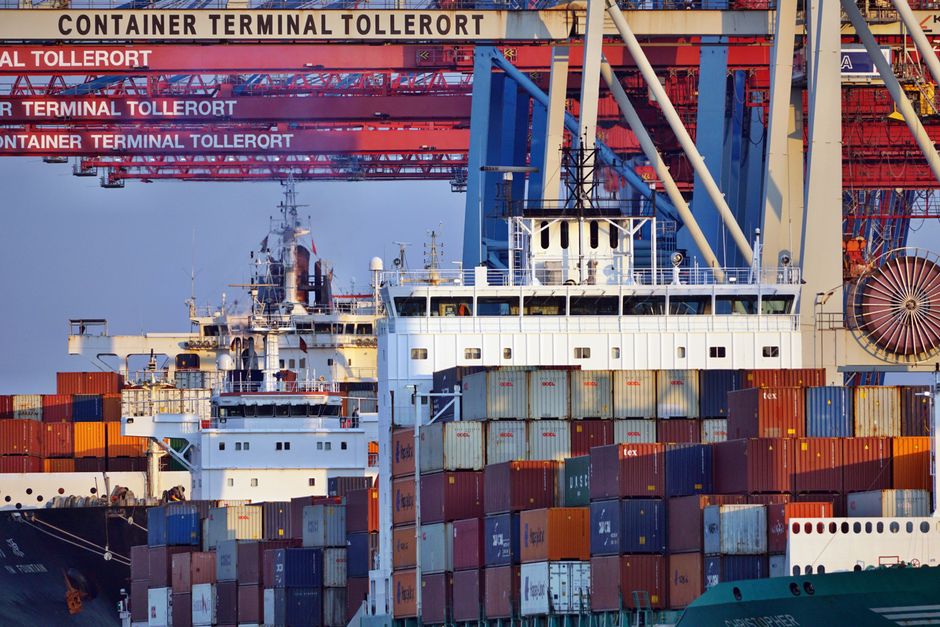
EU emergency controls on imports from select countries effective June 2026
The European Commission has issued an implementing regulation (EU 2026/1206) that temporarily increases official controls and introduces emergency measures governing the entry of certain goods from specific third countries into the EU, effective 9 June 2026. This amendment to the existing food and feed import regulation (EU 2019/1793) affects shippers exporting to the EU by raising inspection intensity and compliance requirements for affected product categories and origin countries—details on which goods and countries are targeted require review of the regulation's annexes.
 Photo: Toàn Văn / Pexels
Emergency Import Controls Tighten on EU Borders
On 9 June 2026, the European Commission adopted Implementing Regulation (EU) 2026/1206, amending the Union's food and feed-import control framework. The regulation imposes temporary increases in official controls and emergency measures on the entry of certain goods from certain third countries.
What Changed
The new regulation modifies Commission Implementing Regulation (EU) 2019/1793, which sets the harmonised official-control frequency and procedures for imported food and animal feed. By temporarily raising control intensity on selected origin countries and product categories, the EU is tightening border enforcement in response to an unspecified food-safety or trade-security concern.
Who Is Affected
Exporters and freight forwarders shipping food, animal feed, or related goods into the EU from the third countries named in the regulation's annexes face heightened inspection and documentation requirements. The regulation's scope—which specific chapters (e.g., Chapter 02 meat, Chapter 04 dairy, Chapter 10 cereals, Chapter 15 oils) and which third countries are targeted—is determined by the implementing act's detailed schedules, which must be consulted directly in the EU's Official Journal reference OJ:L_202601206.
Operational Impact
Shippers must expect:
- Longer clearance times at EU ports and borders.
- More-frequent physical inspections and laboratory testing.
- Higher documentation and certification requirements, possibly including import-prior-notification (IPN) in TRACES NT.
- Potential delays and storage costs if consignments are held for intensive checking.
The temporary nature of the measure suggests a response to a specific, time-bound risk; however, the regulation does not specify an end date in the source text, so affected parties should treat it as in force until formal repeal or expiry is announced.
What this means for shippers
If you export food, feed, or related goods to the EU, check the OJ:L_202601206 annex immediately to confirm whether your origin country and product category are listed. If so, revise your import timelines and budget for extended border-processing delays and additional lab-test costs. Non-compliance with enhanced documentation or IPN filing can result in shipment detention or refusal of entry. Engage your EU importer now to align on the new requirements and ensure all third-country certificates and attestations are submitted in advance.