EU ICS2 system now live: advance cargo data required for all imports
The EU's Advance Cargo Information System 2 (ICS2) is now operational and collecting advance cargo data on all imports entering EU customs territory. Introduced under the Union Customs Code modernisation, ICS2 requires shippers and customs brokers to submit detailed shipment information before goods arrive, enabling customs authorities to target high-risk consignments and intercept contraband. The system applies to all maritime, air, and rail imports; sea-freight operators report early adoption has already identified smuggling and fraud cases in 2025.
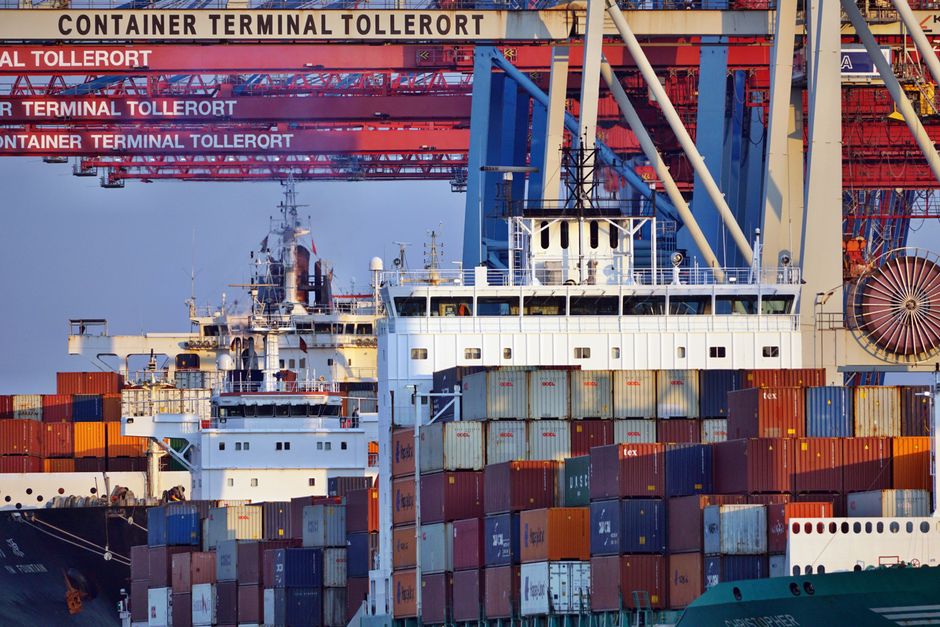
 Photo: SHOX ART / Pexels
# EU ICS2 now mandatory for all import shipments
The European Commission's TAXUD authority confirmed that the EU Advance Cargo Information System 2 (ICS2) is delivering operational results across member states' customs posts. As reported on 1 June 2026, ICS2 has moved from pilot to full enforcement phase and is now the primary mechanism for advance filing of cargo manifests and entry data across the EU customs territory.
Who must comply
All economic operators entering goods into the EU—importers, freight forwarders, customs brokers, and logistics providers—must submit ICS2 declarations before arrival. This applies to shipments by sea, air, and rail. The system replaces manual advance notification and integrates pre-clearance risk assessment directly into customs processing.
ICS2 is already providing concrete benefits for customs authorities on the frontline, protecting citizens and the EU economy.
The TAXUD statement highlights that ICS2 live performance in 2025 has enabled customs to intercept smuggling, detect fraud, and disrupt criminal supply chains—demonstrating that advance data submission, not on-arrival declaration, is now the compliance baseline.
Key operational change
Shippers must now treat ICS2 filing as a prerequisite to physical arrival: consignments lacking complete advance cargo information will face delays, holds, and potential denial of entry. The system captures product description, commodity classification, shipper and consignee identity, and valuation—all before the container leaves port of origin or arrives at an EU gateway.
Freight forwarders and brokers acting on behalf of importers bear responsibility for timely, accurate submission. Delays in ICS2 filing directly extend landed-cost timelines and increase port dwell.
What this means for shippers
Stop treating ICS2 as optional or low-priority: it is now the primary customs control gate for all EU imports. Your freight forwarder or customs broker must file complete ICS2 declarations at least 24 hours before vessel departure (maritime) or arrival (air/rail). Failure to submit on time risks shipment holds, re-routing costs, and duty-penalty assessment. Audit your current forwarding contracts to confirm ICS2 compliance is explicitly mandated and measure your broker's filing performance monthly. /landed-cost