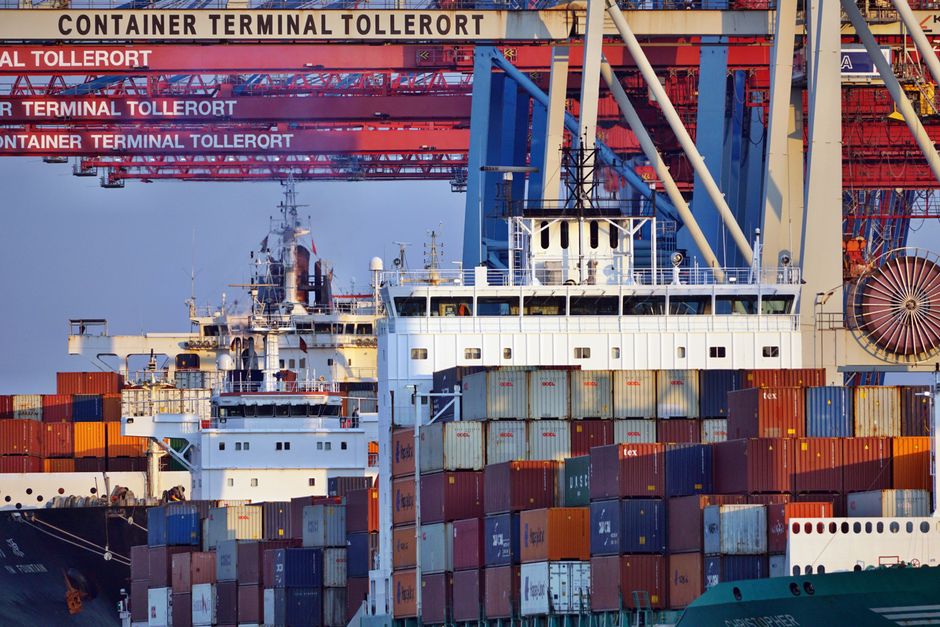
EU opens CBAM rules feedback: emissions methodology, free allocation, third-country credits
On 28 August 2025, the EU Commission launched a call for evidence to refine CBAM rules ahead of the permanent regime starting 1 January 2026. The consultation seeks stakeholder input on three core areas: embedded-emissions calculation methodology, adjustment of surrender obligations to reflect EU ETS free allocation, and deduction of carbon costs already paid in third countries. The feedback window closes 25 September 2025. All businesses, national authorities, and researchers—inside and outside the EU—are invited to submit evidence to help simplify the mechanism and reduce compliance costs.
 Photo: Thái Trường Giang / Pexels
EU seeks feedback on CBAM mechanics ahead of permanent rules
On 28 August 2025, the European Commission launched a formal call for evidence on three critical components of the Carbon Border Adjustment Mechanism (CBAM) ahead of its permanent implementation starting 1 January 2026. The consultation invites all stakeholders—EU and non-EU businesses, national competent authorities, customs administrations, and academics—to submit evidence by 25 September 2025 on three specific methodological areas.
What's up for review
The Commission is seeking feedback on:
- Embedded-emissions calculation methodology: How to measure and verify the greenhouse gas intensity embedded in CBAM goods.
- Free allocation adjustment: How to reconcile CBAM surrender obligations with EU ETS free allowances, ensuring importers are not double-charged.
- Third-country carbon costs: How to credit or deduct carbon prices already paid in the exporting country, preventing double taxation of compliance costs.
The CBAM currently covers six product categories: cement, iron and steel, aluminium, fertilisers, electricity, and hydrogen. These sectors face the same carbon cost under the EU Emissions Trading System (EU ETS), and CBAM ensures imports face equivalent costs.
As the Commission states, this initiative aims to "simplify the CBAM Regulation and make it more cost-efficient" while providing "clarity and legal certainty for businesses."
Who should engage
Target stakeholders include:
- All EU-based businesses and importers of CBAM goods
- Non-EU producers, exporters, and their representatives
- National competent authorities and Member State customs agencies
- Third-country authorities with carbon pricing instruments
- Academic institutions and researchers
Submissions should be made via the dedicated EU consultation portal, with the deadline of 25 September 2025 firm.
Why this matters
The CBAM's transition from its current two-year transitional period (2023–2025) to the permanent regime involves mandatory surrender of CBAM certificates based on embedded emissions. The current feedback exercise is designed to resolve practical and technical ambiguities that could otherwise increase compliance costs or create disputes over eligibility and credit calculations. Simplification now prevents costly reinterpretation later.
What this means for shippers
If you export CBAM goods (cement, steel, aluminium, fertilisers, electricity, hydrogen) to the EU or buy them for importation, review the three consultation topics now—embedded-emissions data, free allocation rules, and third-country carbon credits. Submit evidence by 25 September 2025 if your operations are affected; silence risks unfavourable final rules. Even non-EU exporters should engage, as the rules will govern whether your current carbon costs reduce EU CBAM liabilities. Use /cbam to understand your current certificate exposure and plan for the permanent regime.