EU suspends Syria trade agreement partially, effective immediately
The EU Council has repealed parts of Decision 2011/523/EU, which had partially suspended the Cooperation Agreement between the European Economic Community and Syria. This decision, published 11 May 2026, modifies the existing trade suspension framework with Syria. Shippers exporting to or importing from Syria must verify current sanction and trade restrictions with their customs authority, as the partial suspension adjustment may alter eligibility for preferential trade treatment or duty relief under the Cooperation Agreement.
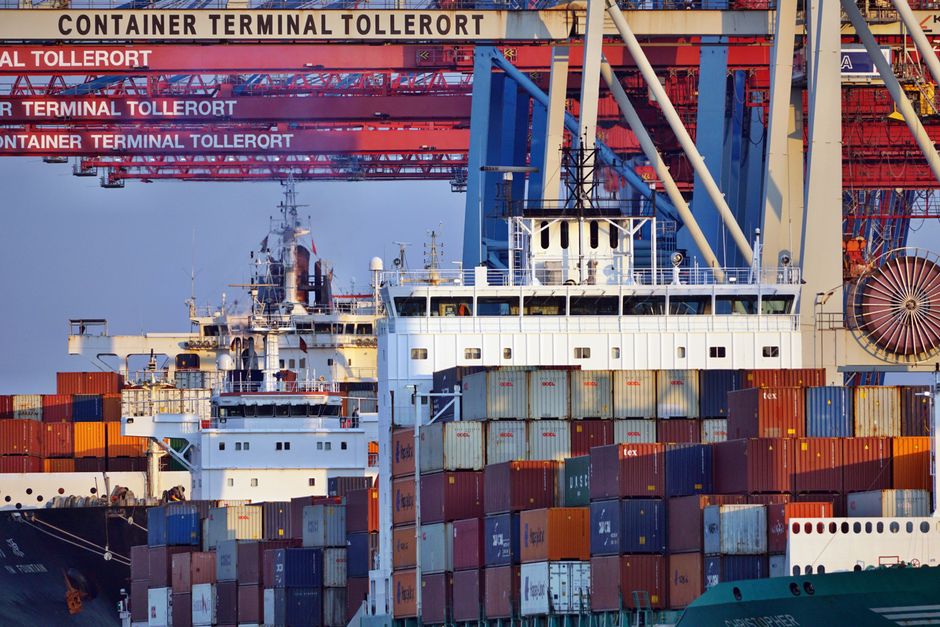
 Photo: Ahmed akacha / Pexels
EU adjusts Syria trade suspension framework
On 11 May 2026, the EU Council issued Decision (EU) 2026/1087, repealing Decision 2011/523/EU in part. This decision modifies the long-standing partial suspension of the Cooperation Agreement between the European Economic Community and the Syrian Arab Republic.
"Council Decision (EU) 2026/1087 of 11 May 2026 repealing Decision 2011/523/EU partially suspending the application of the Cooperation Agreement between the European Economic Community and the Syrian Arab Republic"
The original 2011 decision implemented a partial suspension of the Cooperation Agreement in response to the Syrian conflict. This latest Council decision amends that framework, though the full details of which provisions are repealed versus retained are not specified in the published notice.
Who is affected
The decision directly impacts:
- EU exporters shipping goods to Syria under the Cooperation Agreement
- EU importers sourcing products from Syria
- Freight forwarders and customs brokers handling EU–Syria trade
- E-commerce merchants with supply chains involving Syrian origin or destination
Any preferential tariff treatment, tariff quotas, or duty suspensions that were previously withheld under the 2011 suspension may now be reinstated for the repealed provisions.
What changed
The partial suspension introduced in 2011 restricted application of the Cooperation Agreement as a response to political circumstances. By repealing portions of that decision, the EU is restoring certain aspects of the original preferential trade framework with Syria. However, without access to the full legislative text or implementing guidance, traders should assume:
- Goods originating in Syria may now qualify for preferential duty rates on certain HS chapters (subject to rules of origin)
- Any tariff quotas previously suspended may be partially or fully reopened
- Sanction regimes (distinct from trade-agreement suspensions) remain in force independently
Compliance steps
Shippers must:
- Obtain the full text of both the 2011 and 2026 decisions from EUR-Lex
- Confirm with their national customs authority which specific Cooperation Agreement provisions now apply
- Verify current EU sanctions on Syria remain unaffected by this trade-agreement decision
- Update origin-marking and certificate-of-origin procedures if Syrian goods now enter EU preferential channels
What this means for shippers
If you trade with Syria, you must immediately contact your customs broker and the relevant NCA to confirm which goods now qualify for preferential treatment under the restored Cooperation Agreement provisions. Failure to re-classify imports or exports in line with the repealed suspension could result in incorrect duty calculation, penalties, and delayed clearance. Check our country-of-origin and preferential-trade tools now to audit your current Syria supply chain, and request updated origin documentation from suppliers.