EU tightens import controls on goods from specific third countries
The European Commission has issued Implementing Regulation (EU) 2026/1206, amending the existing control framework to impose temporary increased official controls and emergency measures on the entry of certain goods from specific third countries into the EU. The regulation, published 9 June 2026, does not specify which countries or product categories are subject to these heightened controls in the excerpt provided, but represents a shift toward stricter border enforcement. Shippers and importers moving goods to the EU from affected origins must verify current control requirements with EU customs authorities and their freight forwarders to avoid clearance delays.
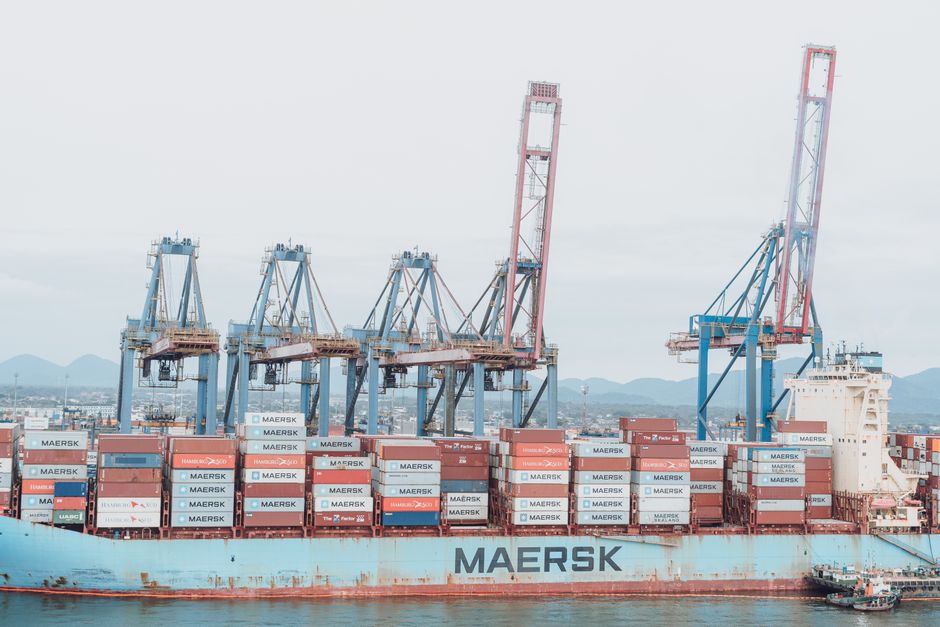 Photo: SAULO LEITE / Pexels
# EU Implementing Regulation 2026/1206: Stricter Import Controls Take Effect
On 9 June 2026, the European Commission adopted Implementing Regulation (EU) 2026/1206, amending the prior Implementing Regulation (EU) 2019/1793 to introduce temporary heightened official controls and emergency measures on certain goods entering the EU from designated third countries.
The regulation empowers EU member states to apply enhanced border screening, documentation verification, and physical inspections to protect the single market from goods that may pose regulatory, safety, or trade-integrity risks. While the published excerpt does not enumerate the specific third countries or product categories subject to these measures, the amendment signals a tightening of EU import administration.
Substance and scope
Implementing Regulation 2026/1206 modifies the procedural framework established by Regulation (EU) 2019/1793, which governs official controls at the point of entry to the EU. The new rules allow:
- Temporary enhanced controls on designated product flows, including additional sampling, laboratory testing, and documentary checks beyond standard clearance procedures.
- Emergency measures to respond to supply-chain disruptions, fraud, or regulatory non-compliance detected in goods from affected origins.
Shippers, freight forwarders, and importers must obtain the full text of the regulation and consult the European Commission's customs portal, the relevant member-state customs authority, and their logistics partners to identify which specific countries and HS chapters are covered.
What this means for shippers
If your shipments originate from or pass through the EU, verify with your customs broker or the EU's customs authority which third countries and product types are now subject to increased controls under Regulation 2026/1206. Allocate extra time for customs clearance—enhanced inspections can add 3–7 business days to border transit. Non-compliance or misdeclaration penalties are severe under EU customs law. Review your landed-cost estimates and adjust lead times accordingly. Check the full regulatory text at EUR-Lex (CELEX:32026R1206) and alert your supply-chain partner immediately if your origin or commodity is affected.