EU updates preferential-origin procedural rules for customs
The European Commission issued Implementing Regulation (EU) 2026/1183 on 2 June 2026, amending the procedural rules governing how goods qualify for preferential tariff treatment under EU customs law. The regulation modifies Implementing Regulation (EU) 2015/2447, which sets out the detailed procedures for customs declarations and origin verification. While the full legislative text is not provided in this excerpt, such amendments typically affect how traders must document and prove that goods meet the rules of origin required to claim duty reductions under EU trade agreements and preference schemes.
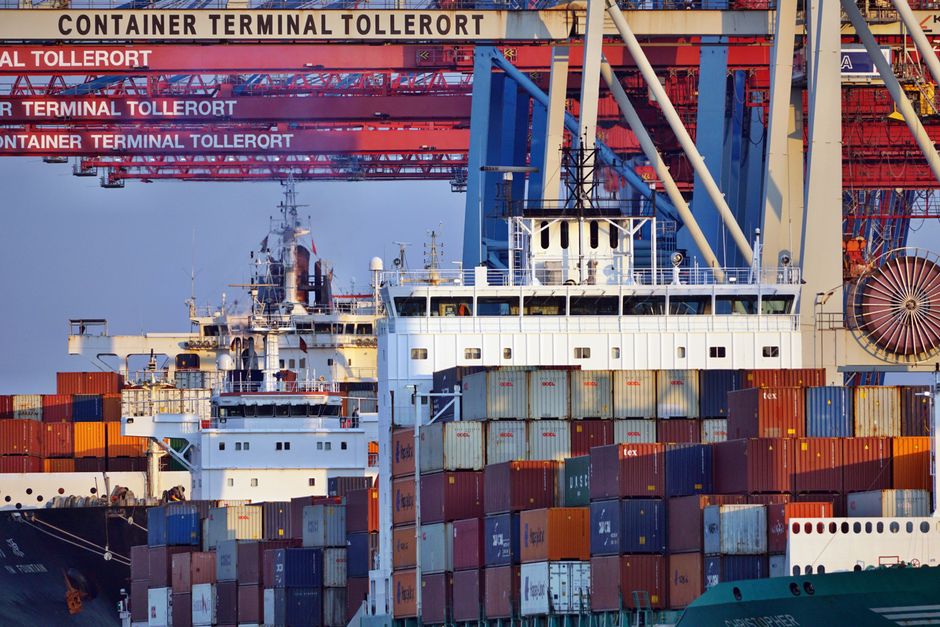
 Photo: Miguel Cuenca / Pexels
EU Amends Preferential-Origin Procedures
The European Commission adopted Implementing Regulation (EU) 2026/1183 on 2 June 2026, updating procedural rules for demonstrating preferential origin of goods under EU customs law.
What changed
The regulation amends Implementing Regulation (EU) 2015/2447, which governs the detailed procedures for customs declarations, origin documentation, and verification. Commission Implementing Regulations of this type typically clarify or tighten the administrative and documentary requirements traders must follow to claim preferential tariff treatment—whether under EU free-trade agreements, generalized scheme of preferences (GSP), or other preference schemes.
Who is affected
Importers and exporters relying on preferential tariffs—including:
- E-commerce merchants importing goods under FTA eligibility (especially from UK, South Korea, Vietnam, Mexico, and other EU trade partners)
- Freight forwarders and customs brokers preparing origin documentation
- Manufacturers and exporters claiming outward-processing or cumulation benefits
Any shipment declaring preferential origin must comply with the updated procedural rules to avoid duty-recalculation, customs delays, or origin challenge by EU customs authorities.
Why procedural rules matter
Origin procedures govern:
- How certificates of origin (or supplier declarations) must be formatted, signed, and transmitted
- When and how origin audits and back-checks are triggered
- Penalties for false or incomplete origin claims
- Electronic filing and data requirements for customs brokers
Changes to these procedures often affect deadlines, documentary standards, or audit thresholds. Traders who do not adapt their compliance workflows risk origin denial and retroactive duty assessments.
What this means for shippers
Review your origin-documentation and customs-brokerage processes immediately to align with the new requirements in Regulation 2026/1183. If your suppliers provide certificates of origin or you claim preferential tariffs on EU imports, confirm with your broker or compliance team that your forms, signatures, and filing methods meet the updated standard. Non-compliance will result in loss of preference and higher landed costs. Check the full text at EUR-Lex and update internal checklists before the effective date. /hs-codes/search