G20 Trade Ministers to Meet in Milwaukee on Tariff Reform
The USTR announced that Ambassador Jamieson Greer will host the G20 Trade Ministerial in Milwaukee, Wisconsin from September 30 to October 1, 2026. The agenda will focus on ending forced labor, updating the Most-Favored Nation (MFN) principle, addressing food-trade weaponization, and tackling structural excess capacity and production. The Trump administration aims to establish a global trading order based on fair, reciprocal, and balanced trade—part of broader tariff-rebalancing efforts.
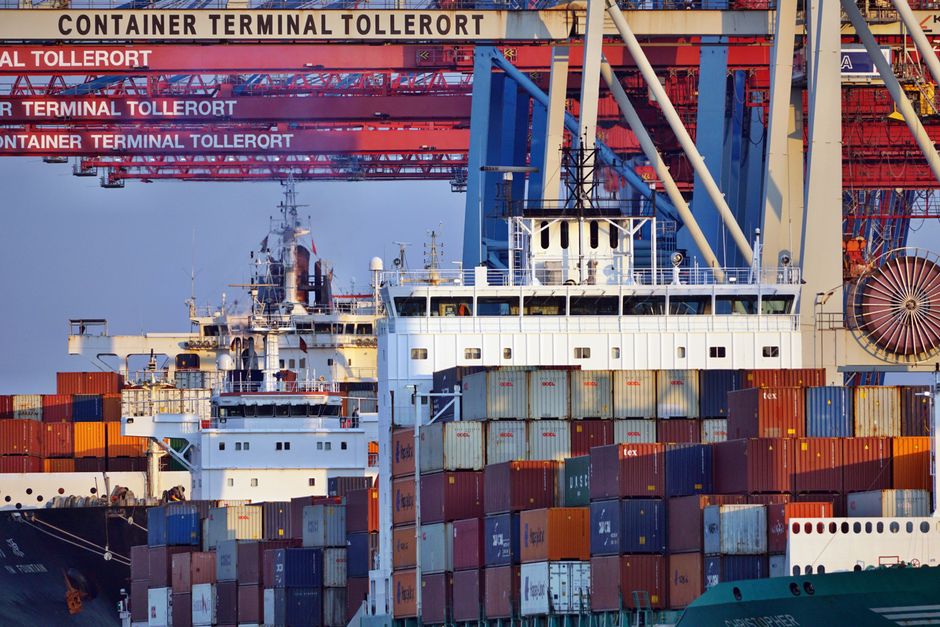
 Photo: Werner Pfennig / Pexels
The United States Trade Representative (USTR) announced on May 19, 2026, that Ambassador Jamieson Greer will host the G20 Trade Ministerial in Milwaukee, Wisconsin from Wednesday, September 30 to Thursday, October 1, 2026.
According to Ambassador Greer, the ministerial will address multiple trade policy priorities. The USTR statement notes:
"President Trump's tariff program is actively rebalancing global trade, reversing decades of non-market policies and practices to protect American workers and businesses."
The announced agenda spans several core issues. Trade ministers will discuss ending forced labor in global supply chains, modernizing the Most-Favored Nation (MFN) principle, preventing the weaponization of trade in food and agricultural products, and addressing structural excess capacity and production across key sectors.
The administration has framed this gathering as part of its broader effort to reshape the international trading system. In Greer's words:
"The Trump Administration looks forward to working with our G20 partners to establish a global trading order based on fair, reciprocal, and balanced trade."
The G20 Trade Ministerial will culminate in a Leaders' Summit hosted by President Trump on December 14–15, 2026, at Trump National Doral in Miami, Florida, as the United States marks its 250th anniversary.
For e-commerce exporters, freight forwarders, and logistics providers operating in G20 markets—including the EU, China, India, Japan, Brazil, and others—this ministerial signals potential shifts in tariff policy, forced-labor enforcement, and trade reciprocity standards. The focus on MFN-principle reform and excess-capacity measures suggests bilateral or plurilateral negotiations may follow, affecting landed costs and supply-chain routing.
What this means for shippers
Watch for post-ministerial tariff announcements affecting your top destination markets. If you ship to G20 nations (or their supply chains), monitor USTR press releases after October 1 for new duty rates, forced-labor sanctions, and reciprocal tariff adjustments. Non-compliance with forced-labor rules in supply chains now carries explicit scrutiny; audit your suppliers' practices now to avoid future shipment holds. Start modeling tariff scenarios for early 2027—bilateral agreements negotiated at this summit will reshape your landed-cost calculations. /landed-cost