How to read your UK postponed import VAT statements
HMRC has published guidance on understanding monthly postponed import VAT statements for UK importers using postponed VAT accounting. This guidance helps businesses interpret the data on their statements and manage their VAT obligations on imports. The resource is intended for any importer who has elected to defer VAT payment to their next VAT return rather than pay it at the point of customs clearance.
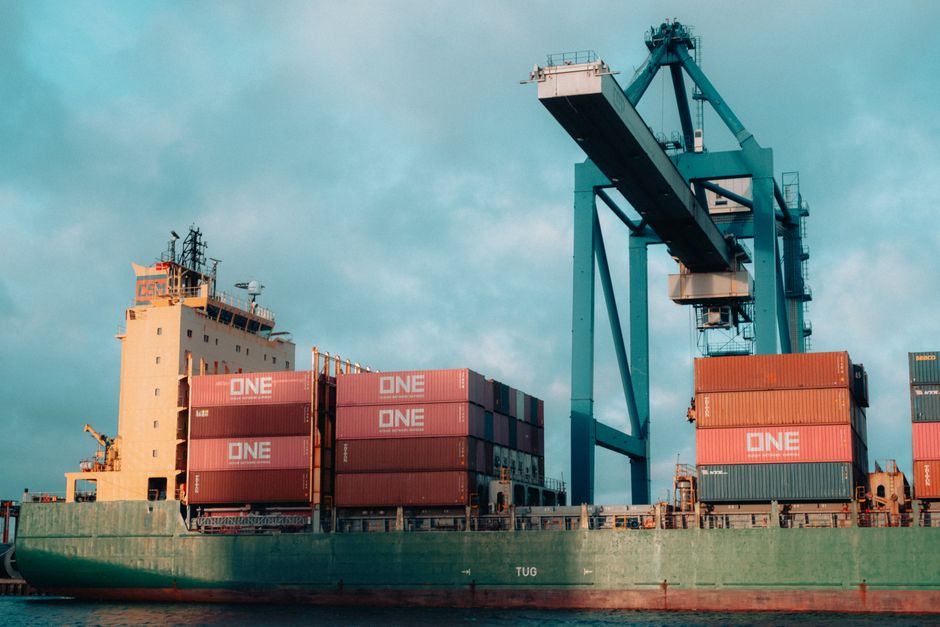 Photo: lucas hegaard / Pexels
# How to read your UK postponed import VAT statements
HMRC issued guidance on 19 May 2026 explaining how to understand and interpret monthly postponed import VAT statements for importers who use postponed VAT accounting to defer import VAT liability.
Who this affects
Postponed VAT accounting (PVA) allows eligible UK importers to account for import VAT through their standard VAT return, rather than paying duty and VAT at customs clearance. This defers cash outflow and simplifies administration for high-volume importers.
Any business using postponed VAT accounting to manage import VAT liability should review these statements monthly to:
- Verify the accuracy of transactions reported
- Reconcile customs declarations with VAT liability
- Identify any errors or discrepancies before submitting VAT returns
- Maintain records for audit purposes
What the guidance covers
The HMRC guidance helps importers understand the structure and content of their monthly statements, including how transactions are recorded, how VAT is calculated on imported goods, and how to cross-reference statements with their customs declarations and VAT accounts.
Proper understanding of these statements is critical for accurate VAT reporting and to avoid penalties for under-declaration or mismatement of import VAT liability during HMRC compliance reviews.
What this means for shippers
If you use postponed VAT accounting, obtain and review your monthly statements immediately—errors in these records directly affect your VAT return accuracy and expose you to compliance risk. Cross-reference each statement against your customs entry declarations and reconcile totals before your next VAT return deadline. Non-compliance can trigger assessments and penalties. Refer to the full HMRC guidance to understand your statement format and reconciliation process. /landed-cost