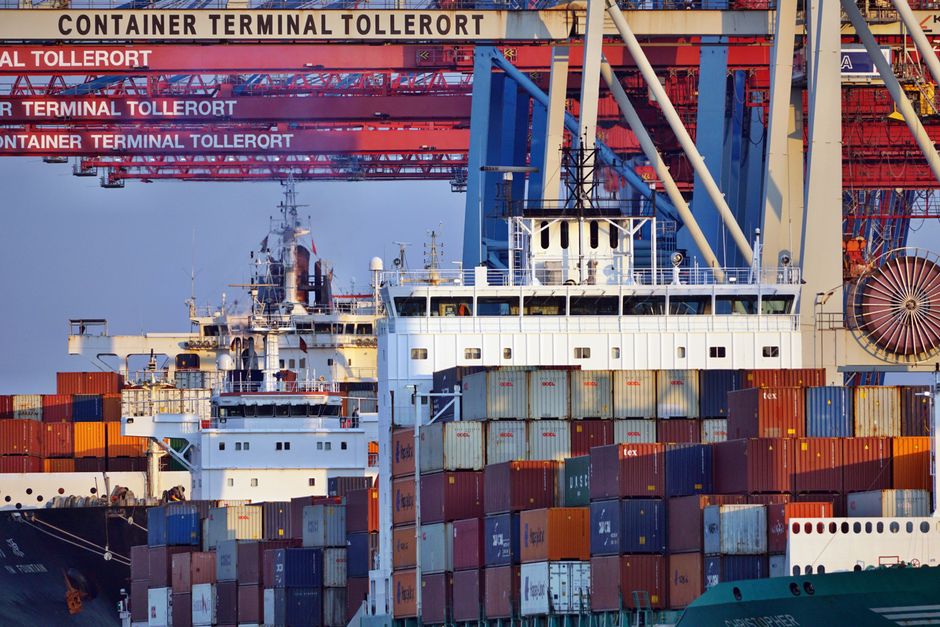
UK customs declaration volumes and declarant count for 2025
HMRC released official statistics on 14 May 2026 covering customs declaration volumes and the number of UK businesses declaring international trade in goods during calendar year 2025. The report provides baseline data on declaration activity across the UK trade ecosystem.
 Photo: Leeloo The First / Pexels
UK releases 2025 customs declaration statistics
HMRC published official statistics on 14 May 2026 documenting the volume of customs declarations filed and the count of active customs declarants in the UK during calendar year 2025. This annual release tracks declaration activity across the UK's post-Brexit trade regime.
The statistics measure two core indicators: the total number of customs declarations submitted for international trade in goods, and the number of businesses—including traders, agents, and freight forwarders—that filed at least one declaration during 2025. These figures serve as a health check on declaration compliance and the breadth of the UK's trading population.
While the HMRC release does not specify tariff rates, HS-code changes, or regulatory amendments in this announcement, the underlying data reflects the operational maturity of the UK's independent tariff schedule and customs infrastructure post-transition. Declaration volumes and declarant counts are tracked to understand compliance burden, identify emerging trader segments, and inform policy on customs-facilitation measures.
The statistics are published in line with the UK Statistics Authority Code of Practice and are available in full via HMRC's official statistics portal.
What this means for shippers
If you're a shipper, freight forwarder, or declarant, use these baseline figures to benchmark your own declaration activity and ensure you're filing correctly. Review the full dataset on the HMRC portal to understand whether your business profile aligns with sector averages. No action is required unless your declaration count or business type has changed materially—but the data is a useful compliance checkpoint as customs procedures continue to evolve.