UK ETS and Carbon Price Support: Apply for Cost Compensation
The UK Department for Business and Trade has published guidance on applying for compensation related to indirect costs from the UK Emissions Trading Scheme (UK ETS) and Carbon Price Support (CPS) mechanism. This applies to eligible businesses bearing indirect carbon costs under these schemes. Shippers and exporters handling goods from or through the UK may face cost implications if their suppliers or logistics partners claim compensation, potentially affecting landed cost calculations.
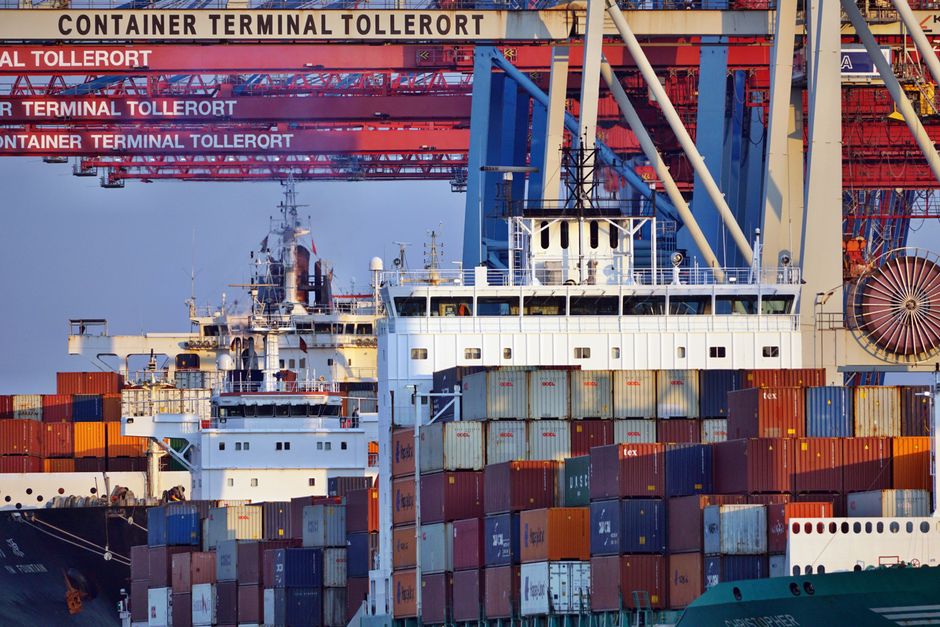
 Photo: Arturo Añez. / Pexels
# UK ETS and Carbon Price Support: Apply for Cost Compensation
The UK Department for Business and Trade (DBT) has published a form and guidance enabling eligible businesses to apply for compensation for indirect costs incurred under the UK Emissions Trading Scheme (UK ETS) and the Carbon Price Support (CPS) mechanism, effective as of 27 April 2026.
What is being affected
The UK ETS is the domestic carbon trading system that replaced the EU Emissions Trading System following Brexit. The CPS is an additional tax mechanism applied to fossil fuels used for electricity generation. Both mechanisms create indirect costs for energy-intensive industries—costs passed through electricity bills and other energy consumption.
"How to apply for compensation for the indirect costs of the UK Emissions Trading Scheme (UK ETS) and the Carbon Price Support (CPS) mechanism."
— UK Department for Business and Trade
Who is affected
Eligible businesses—typically those in energy-intensive, trade-exposed (EITE) sectors—can now formally apply for relief on these indirect carbon costs. The compensation scheme is designed to prevent competitiveness loss and carbon leakage (relocation of production to jurisdictions with lower carbon costs).
For e-commerce exporters, freight forwarders, and SMB shippers, the implications are indirect but material:
- Supplier cost increases: If your UK-based suppliers or manufacturing partners claim compensation, they may adjust pricing.
- Logistics and warehousing: UK-based distribution centers and freight forwarders handling your shipments may incur higher energy costs, which could feed into landed cost.
- Compliance burden: Tracking carbon-related cost adjustments upstream adds complexity to cost estimation.
What shippers need to know
While the compensation scheme aims to stabilize costs for eligible businesses, non-eligible operators (including most small exporters and freight forwarders) will bear the full burden of UK ETS and CPS costs. This makes accurate landed cost forecasting more challenging, especially for routes involving UK consolidation, storage, or value-added services.
The form itself is administrative and does not affect tariff classifications or duty calculations; however, it may influence the landed cost of goods sourced from or routed through the UK.
What this means for shippers
Carbon compliance mechanisms like the UK ETS and CPS indirectly affect logistics costs and supplier pricing. For accurate landed cost estimates on UK-origin or UK-transiting shipments, monitor supplier notifications of cost adjustments and factor in potential energy surcharges. Learn more about landed cost components and how hidden fees affect your bottom line.