UK excise warehouse rules for duty suspension movements
HMRC has published updated guidance on receiving and removing excise goods in duty suspension within UK and EU excise warehouses. The notice covers regulatory requirements for holding and moving goods subject to excise duty, relevant to shippers moving alcohol, tobacco, energy products, and other excisable goods between the UK and EU. Compliance with these procedures affects how merchants and freight forwarders manage duty-suspended inventory and cross-border movements.
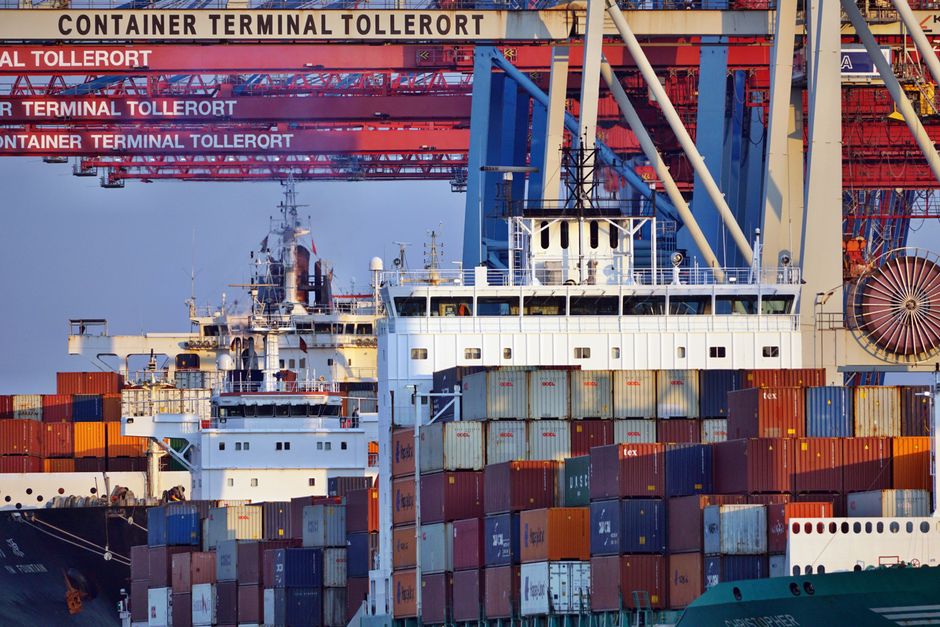
 Photo: Balaji Srinivasan / Pexels
UK Updates Excise Warehouse Procedures for Duty Suspension
HMRC has issued Excise Notice 197, providing updated guidance on the requirements for receiving and removing goods from UK and EU excise warehouses. The notice, published on 27 April 2026, clarifies procedures for holding and moving excise goods in duty suspension—a key consideration for e-commerce merchants, freight forwarders, and exporters managing alcohol, tobacco, energy products, and other excisable commodities.
"Find out the UK's requirements for the holding and movement of excise goods in duty suspension within the UK and the EU," according to the official HMRC guidance.
Excise warehouses allow businesses to hold certain goods without paying duty, provided they remain under customs control and are moved according to strict regulatory procedures. This is particularly relevant for traders managing inventory across multiple jurisdictions or preparing goods for export.
Who is Affected
The guidance applies to:
- Importers and exporters of excise goods (spirits, beer, wine, tobacco, mineral oils, and other energy products)
- Freight forwarders and logistics providers handling duty-suspended goods
- E-commerce merchants sourcing or distributing excisable products
- Warehouse operators and customs brokers managing excise compliance
The notice covers movement of goods within both UK excise warehouses and the EU excise system, making it essential reading for businesses with cross-border supply chains post-Brexit.
Key Regulatory Considerations
While Excise Notice 197 does not establish new duties or thresholds, it clarifies procedural compliance requirements for duty suspension. Businesses must ensure they:
- Follow proper documentation and notification procedures when goods enter or leave excise warehouse control
- Maintain records demonstrating goods' status under duty suspension
- Comply with UK and EU excise regulations during movement and storage
- Work with approved excise warehouse operators
For shippers moving goods between the UK and EU, or holding inventory in duty suspension, these procedures directly impact supply chain planning and landed cost calculations. Failure to comply can result in immediate duty liability and penalties.
What this means for shippers
Excise compliance is closely tied to accurate landed cost estimation and customs valuation. If you're shipping excise goods or managing duty-suspended inventory, understanding these warehouse movement rules prevents unexpected duty assessments and ensures smooth cross-border operations. For detailed guidance on how excise duties affect your total landed costs, visit our landed cost calculator.