UK-GCC trade deal concluded: tariff relief and origin rules
The UK and Gulf Cooperation Council have concluded a free trade agreement covering tariffs, rules of origin, and trade in goods and services. The deal provides market access and preferential treatment for UK exporters to GCC member states (Saudi Arabia, UAE, Qatar, Bahrain, Kuwait, Oman) and vice versa. Specific tariff schedules, origin thresholds, and sector carve-outs will be detailed in the full agreement text and implementing guidance.
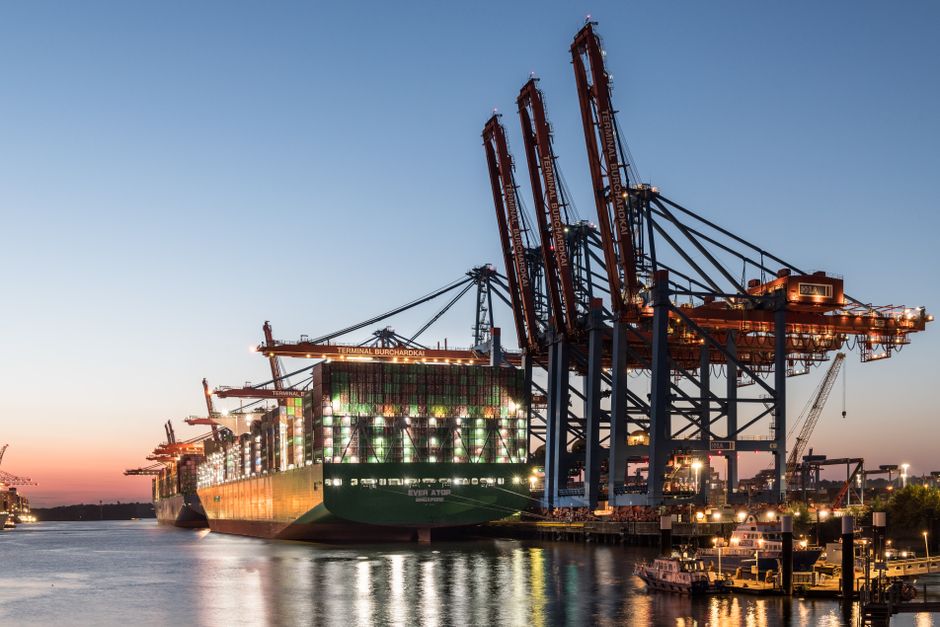
 Photo: Cytonn Photography / Pexels
# UK-GCC Trade Deal Concluded: New Preferential Market Access
The UK Department for Business and Trade has published a conclusion summary for the UK-Gulf Cooperation Council (GCC) trade deal, marking the end of negotiations. The agreement covers market access, tariff elimination, rules of origin, and trade in goods and services between the UK and the six GCC member states: Saudi Arabia, United Arab Emirates, Qatar, Bahrain, Kuwait, and Oman.
Who is affected
UK exporters shipping goods to any GCC member state, and importers bringing GCC goods into the UK, will benefit from preferential tariff treatment once the agreement enters into force. E-commerce merchants sourcing from GCC suppliers, freight forwarders routing cargo through GCC ports, and UK manufacturers with value chains linking to the Gulf region should expect reduced duties and streamlined customs procedures under the new regime.
Key trade provisions
While the published summary does not itemize specific tariff lines or HS chapters covered, a comprehensive free trade agreement typically includes:
- Tariff elimination schedules on industrial goods, chemicals (chapters 25–40), metals (chapters 72–83), and mechanical/electrical goods (chapters 84–85)
- Rules of origin setting cumulation and local-content thresholds for preferential treatment
- Trade in services, including financial, telecommunications, and logistics sectors
- Intellectual property and regulatory cooperation provisions
The official conclusion summary references "provisions and chapters" but defers detailed tariff schedules and technical rules to the full legal text, which will be published separately. Traders should monitor the UK government's trade agreements portal and the GCC Secretariat for the finalized schedules and implementing regulations.
Implementation timeline
No entry-into-force date is announced in the conclusion summary. FTAs typically require ratification and a notification period before tariff preferences apply. UK Customs (now HMRC under post-Brexit procedures) will issue separate guidance on origin certification, preference claims, and HS classification under the new agreement.
What this means for shippers
Once the UK-GCC deal enters force, verify your goods' country of origin and HS classification to claim preferential duty rates. Register with your GCC supplier for a certificate of origin or use self-certification (depending on final rules). Update your landed-cost and tariff-lookup systems to reflect GCC preferential rates—failure to apply eligible preferences leaves money on the table. Check the UK government trade agreements portal regularly for the tariff schedule, origin rules, and effective date. /usmca-duty-free-check