UK OFSI updates Russia sanctions guidance
The UK Office of Financial Sanctions Implementation (OFSI) has published statutory guidance on the Russia sanctions regime, outlining its purposes, scope, and prohibitions. This guidance clarifies the legal framework and compliance obligations for businesses and financial institutions operating under UK Russia sanctions rules.
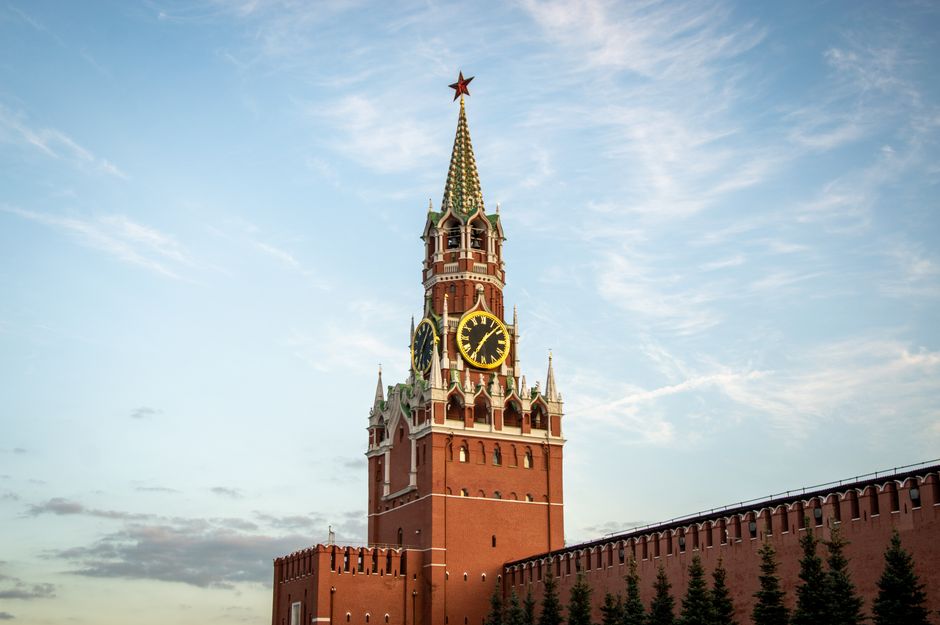 Photo: Vika Glitter / Pexels
The UK Office of Financial Sanctions Implementation (OFSI) has published updated statutory guidance on the Russia sanctions regime, effective 1 May 2026. The guidance sets out the purposes, scope, and key prohibitions under UK Russia sanctions law.
The statutory guidance provides authoritative interpretation of the Russia sanctions regime, establishing the legal framework that applies to all persons and entities subject to UK jurisdiction. OFSI's guidance is binding on financial institutions, exporters, importers, freight forwarders, and other commercial operators conducting business that may touch Russia or Russian persons, entities, or vessels.
Key areas covered in the guidance include the scope of designated persons and entities, asset-freeze obligations, and trade restrictions. The regime prohibits:
- Financial transactions with designated Russian persons and entities
- Supply of goods and services to sanctioned parties
- Trade in certain sectors (energy, defence, and dual-use goods)
- Dealings in Russian government debt and equities
- Maritime transport and insurance services for sanctioned vessels
Shippers and freight forwarders must verify that shipments do not involve sanctioned parties at any point in the supply chain. This includes checking consignees, consignors, intermediaries, and beneficial owners against the OFSI's consolidated list of designated persons and entities.
The guidance also clarifies licensing procedures. OFSI may grant specific licences permitting otherwise-prohibited activity where humanitarian, legal, or other public-policy grounds justify an exception. Businesses should apply for licences where they cannot ensure full compliance without one.
Non-compliance carries severe civil and criminal penalties, including unlimited fines and imprisonment. Directors and officers can face personal liability. OFSI has authority to investigate suspected breaches and to impose civil penalties of up to £300,000 or 20% of global turnover (whichever is higher) for individuals and businesses.
What this means for shippers
Every shipment involving Russian consignees, consignors, or transshipment through Russian territory requires screening against OFSI's consolidated designations list before shipment. Use the UK's OFSI sanctions portal (accessible via gov.uk) to check names in real time. If you cannot rule out sanctioned-party involvement, apply for a specific licence or refuse the shipment. Document all checks; OFSI inspects records routinely. The cost of a missed designation can be a six-figure penalty plus criminal prosecution.