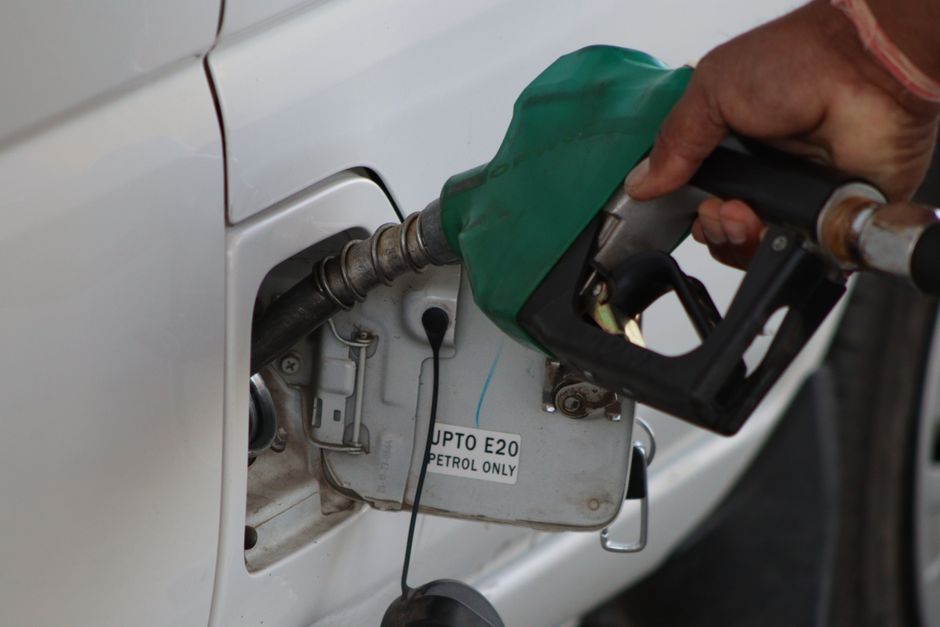
US initiates countervailing duty probe on Chinese rubber accelerator
The U.S. Department of Commerce has initiated a countervailing duty (CVD) investigation into N-cyclohexylbenzothiazole-2-sulfenamide (a rubber vulcanization accelerator) imported from China, published June 2, 2026 in the Federal Register. The investigation will determine whether Chinese government subsidies have artificially lowered prices of this chemical compound. Importers and producers should expect duties within months and prepare landed-cost estimates accordingly.
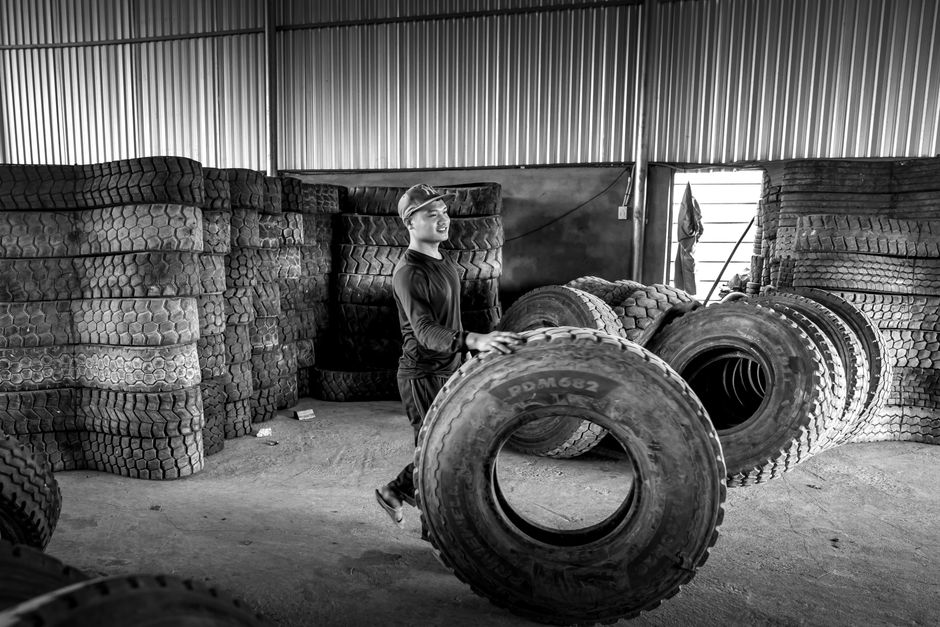 Photo: Quang Nguyen Vinh / Pexels
# US Initiates Countervailing Duty Investigation on Chinese Rubber Accelerator
The U.S. Department of Commerce announced on June 2, 2026, the initiation of a countervailing duty investigation into N-cyclohexylbenzothiazole-2-sulfenamide (commonly abbreviated NCBS) originating from the People's Republic of China. This chemical compound is a vulcanization accelerator widely used in tire manufacturing and other rubber-processing industries.
What is N-cyclohexylbenzothiazole-2-sulfenamide?
This specialty chemical falls under HS Chapter 29 (organic chemicals). It is a critical input in the production of elastomers and tire compounds, where it speeds vulcanization and improves rubber properties. Domestic U.S. tire and rubber manufacturers rely partly on imported supplies.
Investigation scope and timeline
The countervailing duty investigation will examine whether the Government of China has provided subsidies (grants, tax breaks, preferential financing, or other financial support) to producers or exporters of NCBS that have materially injured or threatened injury to a U.S. domestic industry. Commerce will solicit questionnaires from Chinese exporters, the Chinese government, U.S. importers, and domestic producers. Preliminary CVD duties, if warranted, are expected within months; final determinations typically follow within 12–14 months from initiation.
Who is affected
- U.S. importers of NCBS from China must file administrative reviews and prepare for potential retroactive and prospective duty assessments.
- Tire and rubber manufacturers using imported NCBS in their supply chains face potential cost increases if CVD duties are imposed.
- Chinese producers and exporters of NCBS must cooperate with the investigation or risk being assigned punitive "all others" rates.
- Freight forwarders and logistics providers handling NCBS shipments should anticipate higher landed costs and longer clearance times.
Countervailing duty background
Countervailing duties are trade remedies under U.S. law (19 U.S.C. § 1671 et seq.) designed to offset the effect of foreign government subsidies on U.S. commerce. Commerce's CVD investigations often run parallel to antidumping investigations; if both are initiated, preliminary and final duties may be cumulative.
What this means for shippers
Any importer or freight forwarder moving NCBS from China must immediately review current orders and landed-cost projections. CVD duty rates—if imposed—will apply retroactively from the initiation date (June 2, 2026) and will persist unless revoked or modified. File timely questionnaire responses and consider bonding strategies or suspension agreements. Recalculate duty exposure now: delays will only increase administrative costs and regulatory risk.