USTR Deputy Nominee Pledges Focus on Manufacturing Reshoring
Jeffrey Goettman, President Trump's nominee for Deputy USTR, testified before the Senate Finance Committee on April 15, 2026, outlining his priority to reshore and restore the U.S. manufacturing base. Drawing on his experience as COO of the Export-Import Bank and Chief of Staff to Virginia Governor Glenn Youngkin, Goettman emphasized addressing decades of deindustrialization stemming from NAFTA and China's WTO accession. His stated agenda includes opening markets, eliminating unfair foreign trading practices, and leveling the playing field for American companies, particularly in critical infrastructure and durable goods sectors.
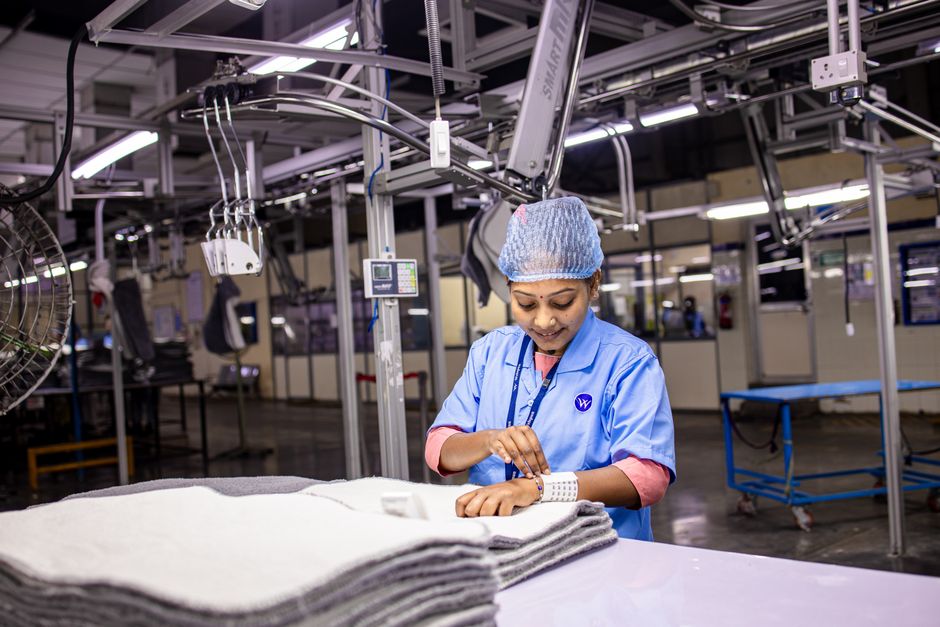 Photo: EqualStock IN / Pexels
Jeffrey Goettman appeared before the Senate Finance Committee on April 15, 2026, as President Trump's nominee for Deputy United States Trade Representative for Africa, Europe, the Middle East, Western Hemisphere, Environment, Labor, and Industrial Competitiveness. His opening statement centered on reshoring and restoring America's manufacturing base as his primary policy objective.
Goettman framed his nomination in the context of manufacturing decline across the United States. He cited Springfield, Ohio—his hometown—as emblematic of broader industrial erosion: the city has lost over 90 percent of its manufacturing jobs and nearly 30 percent of its population since his childhood. He attributed this "hollowing out of what was once a vibrant manufacturing community" to "the devastation of deindustrialization beginning with NAFTA and accelerated by China's ascension into the World Trade Organization."
In describing his background, Goettman emphasized relevant trade experience. He served as Chief Operating Officer of the Export-Import Bank during President Trump's first term and, more recently, as Chief of Staff to Virginia Governor Glenn Youngkin. He credited Ambassador Jamieson Greer's leadership in "forging the America First Trade Policy" and cited the mentorship of Ambassador Robert Lighthizer.
Goettman outlined his policy priorities if confirmed. He stated:
"If confirmed, I am committed to opening markets, eliminating unfair foreign trading practices, and leveling the playing field for American companies and workers so we, together, can return good jobs with good wages to the many 'Springfields' across America."
He further noted that during his time in private business and at the Export-Import Bank, he "had a front row seat to the erosion of America's market share in critical infrastructure and durable goods industries." He pointed to China's "Belt and Road" initiative, expansion of commercial and political influence in Africa and strategic regions, and market-flooding tactics designed to "subsidize its industrial overcapacity and eliminate U.S. and other Western Hemisphere competition and capacity."
The statement reflects the incoming administration's focus on trade as a tool for domestic industrial policy, with particular emphasis on counteracting what Goettman characterized as decades-long trends of American industrial decline in manufacturing-dependent communities.
What this means for shippers
While this testimony is primarily a confirmation hearing and does not announce specific tariffs or policy changes, it signals the trade office's strategic priorities. Shippers and e-commerce exporters should monitor forthcoming trade enforcement actions, potential market-opening negotiations, and any measures targeting Chinese subsidies or excess capacity. Changes to critical infrastructure and durable goods tariffs, as well as enforcement against unfair trade practices, could materially affect landed costs and competitiveness. For detailed guidance on how tariff and duty policy shifts affect your shipments, see landed cost estimation.