WTO ePing platform drives African trade transparency
The WTO has launched a three-year initiative funded by the Standards and Trade Development Facility (STDF) to strengthen use of the ePing SPS & TBT Platform across five African countries. The project aims to help governments, exporters, and other stakeholders better track and engage with evolving product requirements affecting international trade. By enhancing transparency and predictability around sanitary, phytosanitary, and technical barrier to trade requirements, the initiative seeks to improve market access for African exporters.
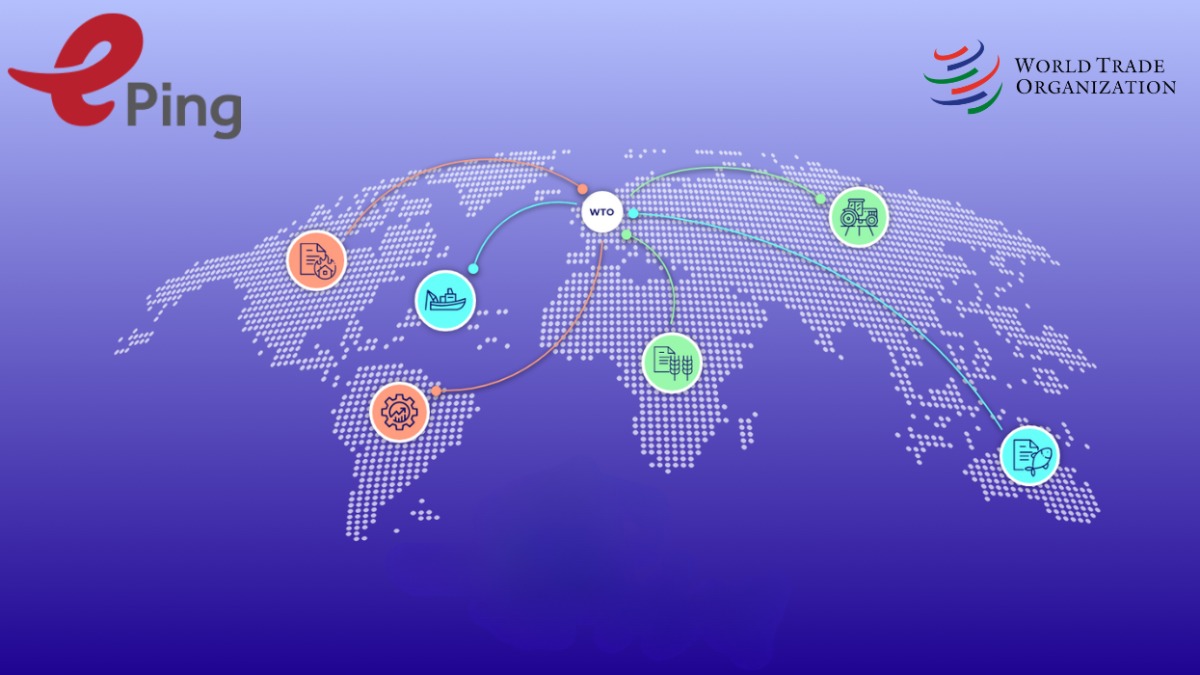
WTO launches ePing platform initiative to boost African trade transparency
The World Trade Organization has announced the implementation of a three-year initiative to strengthen the use of the ePing SPS & TBT Platform across five African countries, according to an announcement published April 27, 2026. Funded by the Standards and Trade Development Facility (STDF), the project focuses on helping governments, exporters, and other stakeholders better track and engage in evolving product requirements that affect international trade.
Addressing transparency gaps in African trade
The ePing platform—which tracks Sanitary & Phytosanitary (SPS) and Technical Barrier to Trade (TBT) notifications—plays a critical role in helping traders understand regulatory changes in their target markets. By strengthening adoption and use of this platform across African nations, the WTO initiative addresses a key transparency gap that has historically challenged smaller exporters and developing-country producers.
According to the WTO announcement, the project "aims to enhance transparency, predictability and market access" for participating countries and their trading partners. SPS measures include food safety, animal health, and plant health requirements; TBT measures cover product standards, labeling, and testing procedures. Both can significantly affect compliance costs and market entry timelines for exporters.
What this means for shippers
For e-commerce merchants, freight forwarders, and SMB exporters shipping to or from African markets, improved ePing adoption means better visibility into upcoming regulatory changes. Shippers can more reliably anticipate product requirement changes, align documentation and declarations with evolving standards, and reduce the risk of shipment delays caused by non-compliance.
Accessing real-time SPS and TBT notifications through ePing helps shippers estimate compliance costs earlier in the supply chain—a key input to landed cost calculations. By understanding which product standards and certifications a destination country requires, shippers can adjust sourcing strategies, certification timelines, and pricing accordingly.
For those unfamiliar with how product standards map to trade documentation, the WTO's ePing platform complements customs classification work, as both regulatory requirements and HS-based tariff treatment influence total landed costs. Shippers exporting to or sourcing from African nations should monitor which countries benefit from this STDF-funded initiative and bookmark ePing notifications in their compliance workflows.