WTO reviews 38 safeguard actions; steel measures draw scrutiny
The WTO Committee on Safeguards met on 27 April 2026 to review 38 safeguard actions notified since October 2025, with 12 involving steel and metal products. The EU's investigations into grain-oriented electrical steel and ferro-alloying elements, alongside UK steel measures, prompted intervention from multiple members. Safeguard actions are temporary trade restrictions used to protect domestic industries from import surges.
# WTO reviews 38 safeguard actions; steel measures draw scrutiny
On 27 April 2026, the WTO Committee on Safeguards convened to review safeguard actions covering 38 products, including 12 steel and metal product categories, according to a statement from the organisation. These actions were notified by WTO members since the Committee's last meeting in October 2025.
EU and UK steel measures under review
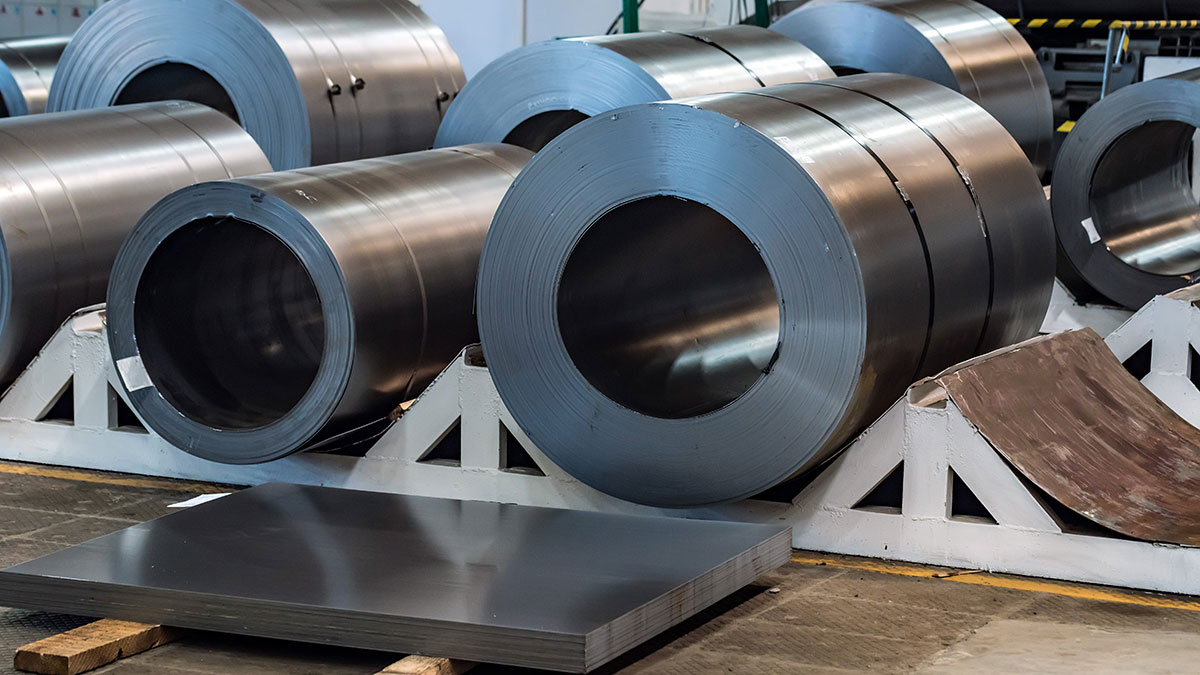
Several WTO members raised concerns about safeguard measures imposed by the European Union and the United Kingdom on steel products. Notably, the EU's investigation into grain-oriented electrical steel—a specialty steel used in transformer cores and electrical equipment—generated multiple interventions. The EU's measure on ferro-alloying elements (metallic additives used to improve steel properties) also drew scrutiny from member delegations.
"Several members expressed their views on the European Union's and the United Kingdom's actions concerning steel products. The EU investigation on grain-oriented electrical steel and measure on ferro-alloying elements also generated interventions by several members."
Safeguard actions are temporary trade remedies available under WTO rules when a member demonstrates that increased imports of a product are causing or threatening serious injury to its domestic industry. They typically take the form of tariffs, quotas, or licensing requirements. Unlike anti-dumping or countervailing duties (which target unfair trade practices), safeguards are neutral remedies available regardless of pricing or subsidy—they protect against injury from fairly-traded imports.
Implications for steel and metal exporters
The WTO Committee on Safeguards serves as a transparency and notification body. While member interventions signal diplomatic concern, they do not directly overturn safeguard measures already in force. However, they create pressure on the implementing country and may influence future investigations or measure renewals. Exporters shipping steel, grain-oriented electrical steel, or ferro-alloying elements to the EU or UK should monitor:
- The scope and duration of any active safeguard investigations
- Import thresholds or tariff levels applied under notified measures
- Potential expansion of safeguard measures to related HS codes within chapters 72 (iron and steel) and 73 (articles of iron or steel)
The Committee will continue to review these actions at future meetings. Safeguard measures are typically applied for 4-6 years initially and can be extended if injury is demonstrated again.
What this means for shippers
If you export steel products, grain-oriented electrical steel, or ferro-alloying elements to the EU or UK, confirm the current safeguard duty or quota status before shipment. Check the EU and UK trade remedy portals for active measures on your HS codes—tariff surprises at import can eliminate margin. Landed-cost estimates must factor in safeguard tariffs separately from base MFN rates. Review your supplier's country of origin documentation to confirm eligibility for any exemptions or preferential rates that may apply.