EU Steel Regulation: Melt-and-pour country traceability rules set for 2026
The European Commission has opened a targeted consultation on documentation standards for country-of-origin 'melt and pour' traceability under the EU Steel Regulation. The consultation seeks feedback from stakeholders on what evidence shippers and producers must provide to prove the country where steel is melted and poured—a key requirement for compliance with the new regulation. This affects all exporters and importers of steel products into the EU.
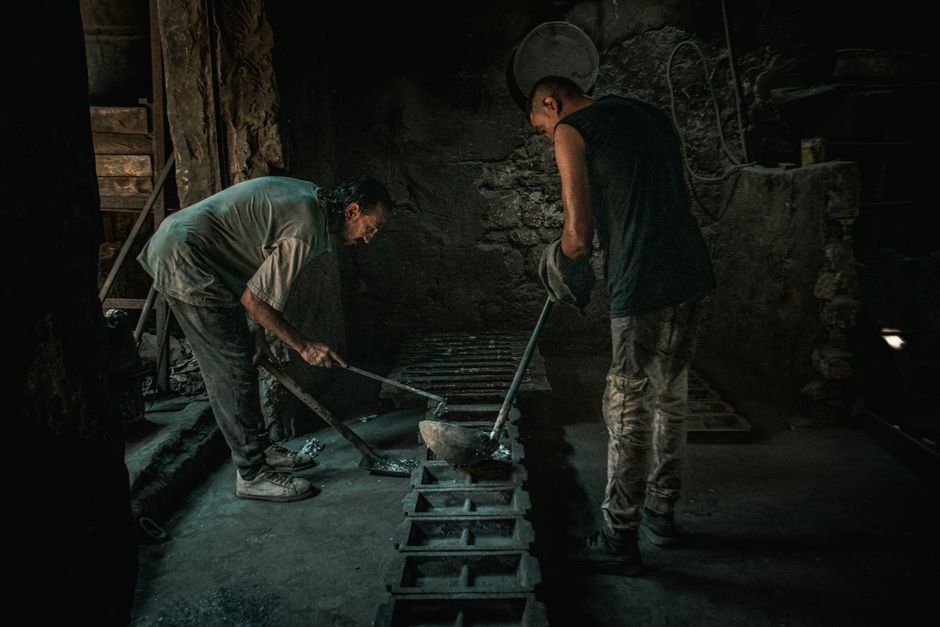 Photo: Ahmed fahmy / Pexels
EU launches consultation on steel traceability documentation
The European Commission launched a targeted consultation on 4 June 2026 seeking stakeholder feedback on documentation requirements for the country 'melt and pour' traceability provisions under the EU Steel Regulation.
What the regulation requires
The EU Steel Regulation introduces mandatory country-of-origin traceability for steel products. The 'melt and pour' standard identifies the country where steel is melted and poured as the determining origin. Shippers, steel manufacturers, and importers must now document and prove this country of origin as part of compliance.
The Commission's consultation specifically addresses what forms of evidence are appropriate and acceptable to demonstrate where the melt and pour process occurs. This is a critical operational and compliance question: without clear documentation standards, traders risk rejection at the border or customs seizure if they cannot substantiate origin claims.
Who is affected
This consultation applies to:
- Steel producers and mills (HS Chapter 72: iron and steel)
- Exporters of semi-finished and finished steel products
- Importers bringing steel into the EU
- Freight forwarders and customs brokers handling steel shipments
- EU and non-EU suppliers in steel supply chains
The regulation applies broadly to steel products, meaning all Chapter 72 (Iron and Steel) shipments destined for or transiting through the EU require melt-and-pour country documentation.
Next steps for stakeholders
The Commission is consulting on the type of evidence acceptable—likely including invoices, mill certificates, furnace records, third-party audits, or blockchain/digital traceability systems. The feedback will shape the final implementing rules, which will determine what documentation shippers must collect, maintain, and present to customs authorities.
Stakeholders should engage with the consultation to ensure their standard documentation practices are recognised as compliant. Failure to provide acceptable evidence of melt-and-pour origin will block clearance.
What this means for shippers
You must immediately audit your steel supply chain to determine the origin country of melt and pour for every shipment. Once the Commission publishes final documentation standards (expected mid-to-late 2026), you will need to collect, organize, and provide proof of melt-and-pour country to EU customs. If you cannot document origin, your steel shipments will be held or rejected. Engage with the Commission consultation now if you represent a steel producer, importer, or logistics provider. Review your mills' and suppliers' traceability capabilities today.