UK-GCC FTA: preliminary economic impact analysis
The UK Department for Business and Trade has published a technical note outlining preliminary economic-impact estimates for the UK-Gulf Cooperation Council Free Trade Agreement. The note provides DBT's initial assessment of how the agreement will affect UK trade and commerce with GCC member states (Saudi Arabia, UAE, Qatar, Bahrain, Kuwait, Oman). Shippers and exporters should review the analysis to understand tariff schedules, rules of origin, and duty-elimination timelines that will shape landed costs and supply-chain planning.
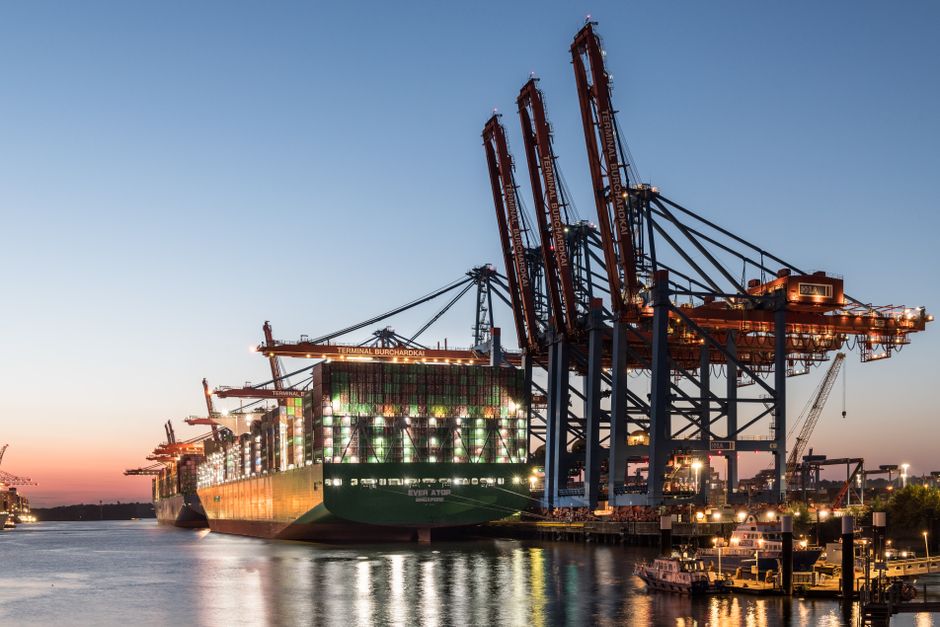
 Photo: www.kaboompics.com / Pexels
On 20 May 2026, the UK Department for Business and Trade released a technical note detailing preliminary economic-impact estimates for the UK-Gulf Cooperation Council Free Trade Agreement.
The GCC comprises six member states: Saudi Arabia, United Arab Emirates, Qatar, Bahrain, Kuwait, and Oman. The FTA is expected to liberalise trade in goods and services between the UK and these markets, eliminating or reducing tariffs on a phased schedule and establishing mutual rules of origin.
As a preliminary impact assessment, the technical note does not provide exhaustive tariff schedules or commodity-specific phase-in dates in the source excerpt. However, shippers exporting UK goods to GCC markets, and importers bringing GCC products into the UK, should expect:
- Duty elimination schedules across multiple HS chapters, with phase-in periods ranging from immediate (Day One) to 10+ years for sensitive sectors
- Rules-of-origin thresholds determining when goods qualify for preferential rates
- Cumulation provisions allowing inputs from other trading partners to count toward origin requirements
The technical note is the first formal statement of expected trade impacts and will guide customs brokers, freight forwarders, and e-commerce merchants in planning landed costs and supply-chain strategy.
What this means for shippers
Review the DBT technical note immediately to identify which HS chapters and product categories benefit from duty elimination under the UK-GCC FTA. Exporters to GCC markets must verify rules-of-origin compliance—failure to qualify for preferential rates will result in full Most Favoured Nation (MFN) tariffs. Importers and freight forwarders should model landed-cost scenarios now, mapping out phase-in timelines by HS chapter to forecast duty savings and adjust pricing. Check your goods' origin and value-build carefully: tariff savings depend on meeting origin rules, and the cost of miscalculation is full MFN duty on inbound shipments.