US-Mexico USMCA Joint Review: automotive rules, steel tariffs on agenda
The US and Mexico concluded their first bilateral negotiating round under the USMCA Joint Review on May 29, 2026, with talks focused on automotive rules of origin, steel and aluminum tariffs, and economic security. The US delegation prioritized reducing the trade deficit and strengthening domestic supply chains. Additional rounds are scheduled for June 16–17 in Washington and the week of July 20 in Mexico City, with agriculture and regulatory compatibility—including medical devices and pharmaceuticals—also under discussion.
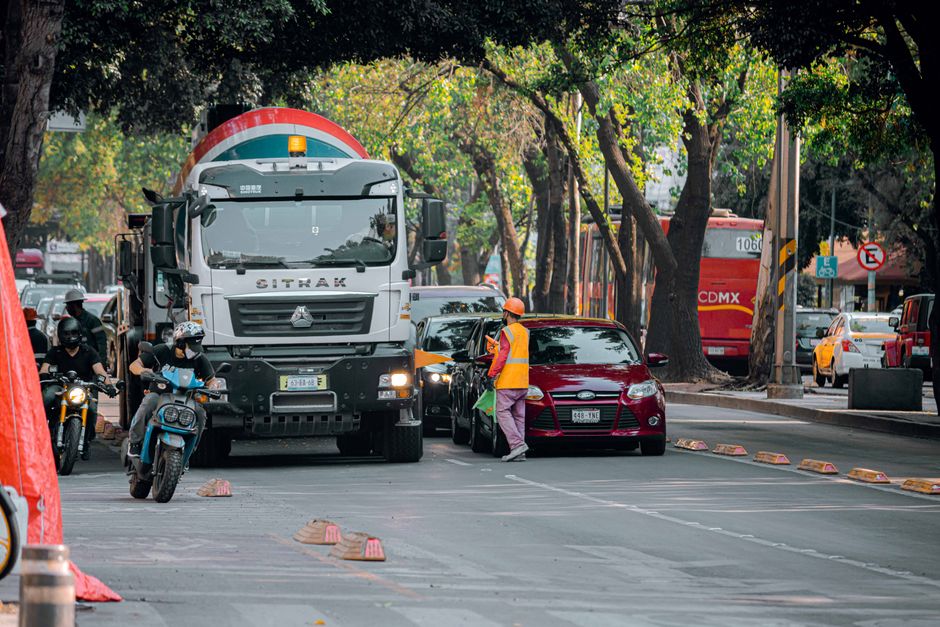 Photo: Ali Alcántara / Pexels
USMCA Joint Review: First bilateral round focuses on automotive and metals tariffs
On May 29, 2026, the United States and Mexico concluded the first bilateral round of negotiations under the Joint Review of the United States-Mexico-Canada Agreement (USMCA), according to a statement by the US Trade Representative (USTR). The talks, held in Mexico City, marked the opening of a formal renegotiation process to revisit key provisions of the trade agreement.
Priority sectors under negotiation
The US delegation made clear its chief objectives:
The United States concluded discussions with the goals of reducing the trade deficit with Mexico and strengthening American supply chains.
Negotiators addressed three headline issues:
- Automotive rules of origin — A perennial flashpoint in USMCA discussions. The stringency and regional-content thresholds for automobiles (HS Chapter 87) are critical to determining which vehicles qualify for duty-free treatment under the agreement.
- Steel and aluminum — The US is pursuing firmer commitments on metal inputs (HS Chapters 72–73), likely with an eye to countering third-country dumping and securing preferential access for US mills.
- Economic security — A catch-all for supply-chain resilience and reducing reliance on non-party competitors.
Regulatory harmonisation and follow-up rounds
Beyond tariff and origin rules, both governments signalled commitment to advancing "regulatory compatibility" in medical devices, pharmaceuticals, and cosmetics—sectors where duplicate certifications and testing can inflate landed cost and slow time-to-market.
Negotiations will resume on June 16–17, 2026, in Washington, D.C., with agriculture and "a level playing field" (likely addressing non-tariff barriers and subsidies) formally added to the agenda. A third round is scheduled for the week of July 20, 2026, in Mexico City.
The USTR statement also flagged concern about "free-riding from third countries," hinting at potential safeguards against transshipment of goods of third-country origin through Mexico to qualify for preferential treatment.
What this means for shippers
Anyone importing or exporting automotive components, steel, or aluminum under USMCA preference must monitor these bilateral rounds closely. Rule-of-origin tightening or tariff-rate increases could reshape landed cost and origin-certification requirements. Review your HS classifications (Chapters 72, 73, 87) and current certificates of origin now; if you rely on USMCA duty-free rates, prepare contingency pricing for worst-case tariff scenarios. Use the USMCA duty-free checker and landed-cost tools to model exposure ahead of June and July negotiations. Delays in final outcomes are likely—don't assume current rates hold beyond 2026 year-end.